Turn Left Albuquerque

Pork Shoulder and Pulled Pork Smoking Guide for Tender, Juicy Results 
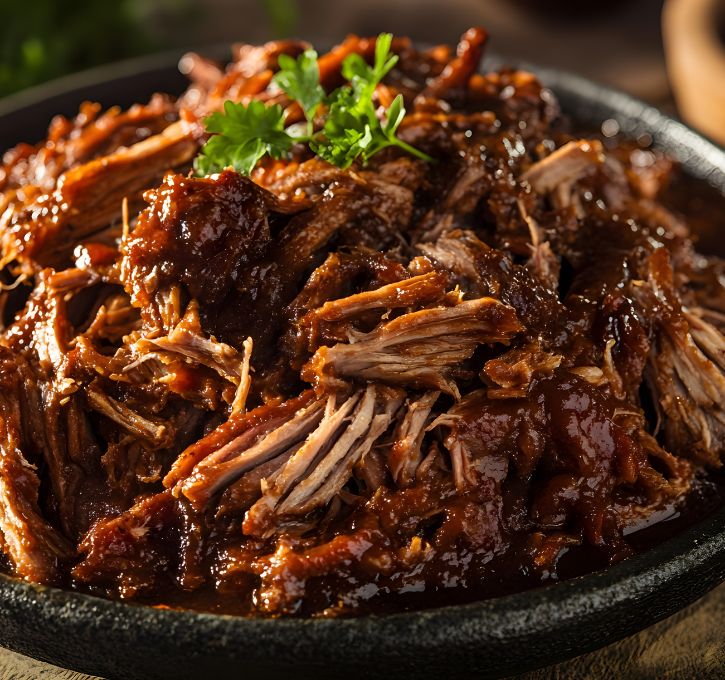
Pulled pork is the crowd pleaser that never goes out of style.
Pork shoulder is forgiving, great value and packed with connective tissue that turns silky when cooked properly. This guide shows how to choose the right cut, manage temperature with confidence and finish with meat that shreds cleanly without drying out. It links directly to the Turn Left @ Albuquerque ranges for smokers, rubs and smoking woods, and points readers to the pork shoulder technique resources so you can go deeper when you are ready.
BBQ Maintenance
Inspect Your Smoker

Choosing the shoulder

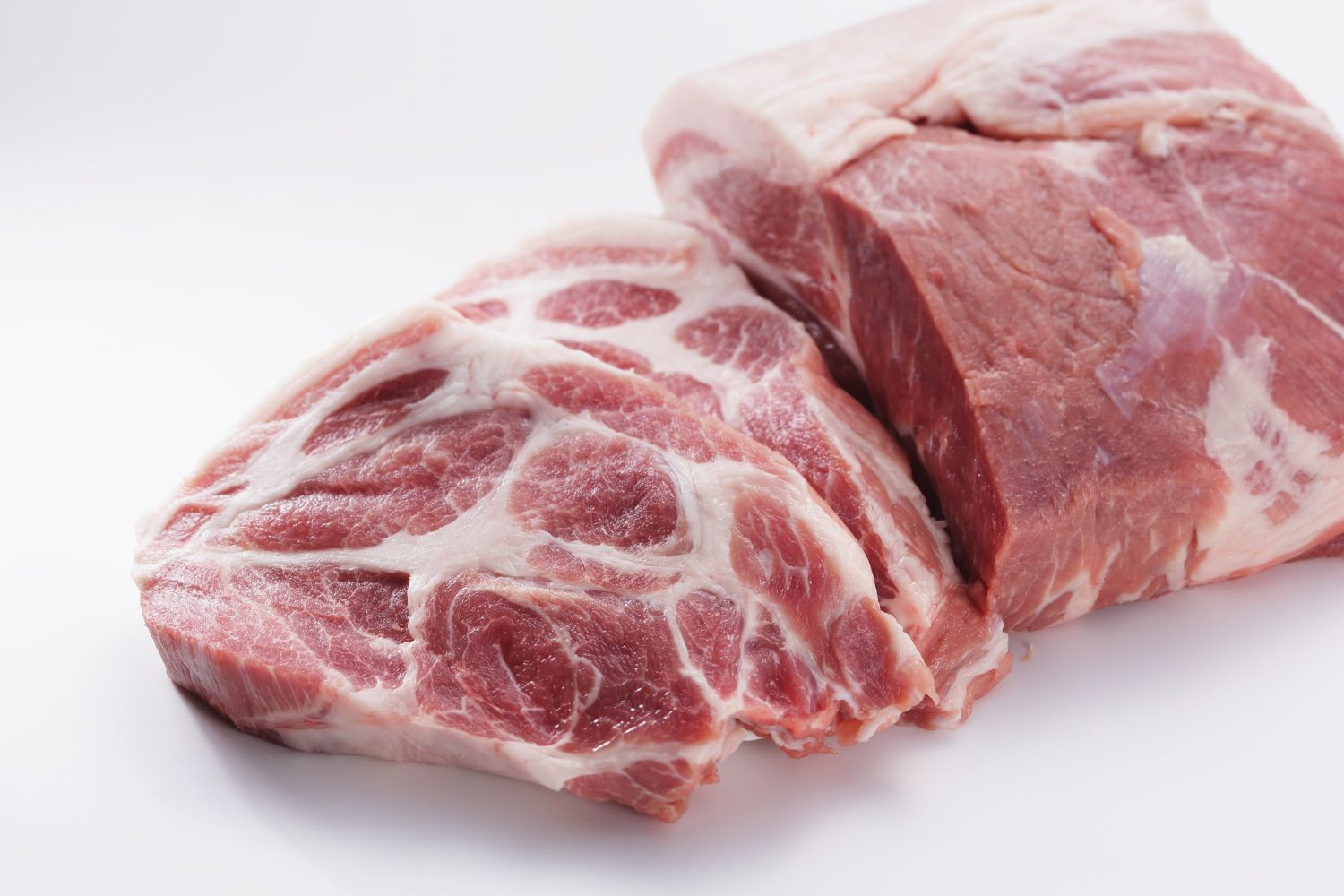
Pork shoulder comes as bone in or boneless. Bone in helps with even cooking and gives you a simple doneness signal when the shoulder is ready to pull clean from the blade. Boneless speeds trimming and can be easier to portion for smaller smokers. Look for a shoulder with good marbling and a firm, white fat cap rather than a soft, waxy layer.

Trim with purpose. Remove loose flaps and thin the fat cap to an even depth so rub sticks and the surface renders rather than pooling. Keep edges tidy so they do not burn while the centre climbs through the stall.

Bone in suits long weekend cooks and holds shape during wrapping

Boneless suits smaller smokers and faster trimming before an early start

Aim for even thickness and a level surface so heat and smoke reach the whole cut

Rubs that build bark

A good rub sets flavour direction and helps form bark. For pork shoulder, think sweet and savoury with enough salt to season the interior over time. Start with a light coat of oil or mustard if you prefer, then season evenly and let it sit while you set up the smoker.

Turn Left @ Albuquerque stocks rubs that have proven themselves on pork. Choose one, or layer a sweeter base with a spicier finish if that fits your taste.

Meatchurch Texas Sugar BBQ Rub brings gentle sweetness and colour

Bluebird Barbecue Renegade Rub balances savoury and sweet for a classic profile

Stef The Maori Rub One Out adds punch for folks who like a bolder finish

The Gourmet Collection Garlic Rosemary and Sea Salt Spice Blend offers a herb led direction for lighter sandwiches

Fuel choices and smoke profile

Pork shoulder takes smoke gracefully. It can handle stronger woods but also shines with fruit woods that give a clean finish. Start with quality charcoal for steady heat, then add wood to steer flavour without harshness.

A balanced setup uses a consistent base fuel and a controlled amount of smoking wood. Small, regular additions keep smoke thin and blue, which tastes clean on the plate.

Jealous Devil Chunx XL Lump Charcoal for long, even burns with minimal ash

Big Green Egg Canadian Maple Lump Charcoal for a mellower baseline

Apple chunks or pellets for a sweet, gentle smoke that suits pork

Hickory for a deeper, more traditional barbecue note that still stays friendly on sandwiches
Elevate Your BBQ Game with These Essential Pellet Smoker Tips

Set up the smoker and stabilise heat

Steady heat makes pork shoulder simple. Get the cooker to a consistent range before the meat goes on. Keep vents stable and avoid large changes once the bark begins to set. If your smoker has cool and hot zones, position the shoulder so that airflow wraps it rather than hitting one side too hard.

Match your thermometer to the job. A pit probe at grate level tells you the real cooking environment. A meat probe in the thickest part of the shoulder shows progress so you are not guessing.

Pellet smokers run clean and steady with two to four probes for meat and pit

Offsets need careful fuel management and benefit from an extra pit probe at the far end

Drums and kamados like small vent changes and reward patient adjustments

Time and temperature guidelines

Pork shoulder is ready when the collagen has dissolved and the fibres relax. Internal temperature is a guide, but feel is the final call. Target temperatures and rest windows help you plan the day without rushing the finish.

The table below provides a practical range for common setups. Use it as a framework, then let texture be your referee at the end.

Smoker typeTypical pit tempWrap windowFinish windowNotes
Pellet120 to 135 °C70 to 77 °C internal93 to 98 °C internalLight smoke, very steady. Add pellets with apple or cherry for colour.
Offset120 to 135 °C70 to 77 °C internal93 to 98 °C internalStronger smoke. Watch wind and add splits small and often.
Kamado110 to 120 °C68 to 75 °C internal92 to 96 °C internalHolds heat well. Small vent changes work best.
Drum120 to 135 °C70 to 77 °C internal93 to 98 °C internalClean burn and fast recovery after lid lifts.

Understanding the stall

The stall is not failure. As moisture evaporates from the surface, it cools the meat and slows the climb. Expect it and plan around it. When you hit the stall and the bark looks set, decide if you want to wrap or ride it out. Wrapping speeds the cook and protects moisture. Unwrapped yields a drier bark with more chew.

Use paper for a breathable wrap that preserves bark texture, or foil for a faster push to the finish. Add a small splash of apple juice or low sodium stock if you prefer, but avoid heavy liquid that softens bark too much.

Wrap when the colour is where you want it and the probe meets light resistance on the surface

Paper protects texture, foil speeds the cook and softens the exterior
Keep vents stable after wrapping so you do not chase temperature swings

Probe like a pro

Probing is more than a number on a screen. As the shoulder moves past the low 90s, begin to test feel in several spots. The probe should slide in with the softness of warm butter. Some pockets will release before others. Wait until the slowest spot agrees with the rest.

If you hit a bone or a seam of fat, move the probe and test again. Rushing here is how pulled pork becomes chopped pork. A few extra minutes now pays off when you start shredding.

Aim the probe for the centre mass, not near bone or the heavy seam

Test multiple positions before you decide to pull

Do not chase a single number if the meat still fights the probe

Resting and holding without drying out

Resting allows juices to redistribute and the fibres to relax fully. Place the wrapped shoulder in a warm esky or a low oven and hold for at least an hour. Two is even better for large cuts. This buffer also makes service timing easy when guests run late.

Keep the wrap loose enough that steam does not turn the bark soggy. If the exterior softens more than you like, return the shoulder to the smoker unwrapped for a short set before shredding.

Rest in an insulated box with a towel for up to four hours safely

Vent briefly before the hold if the wrap has trapped too much steam

Return to the pit for 10 to 15 minutes unwrapped to refresh bark if needed

Shredding and seasoning to finish

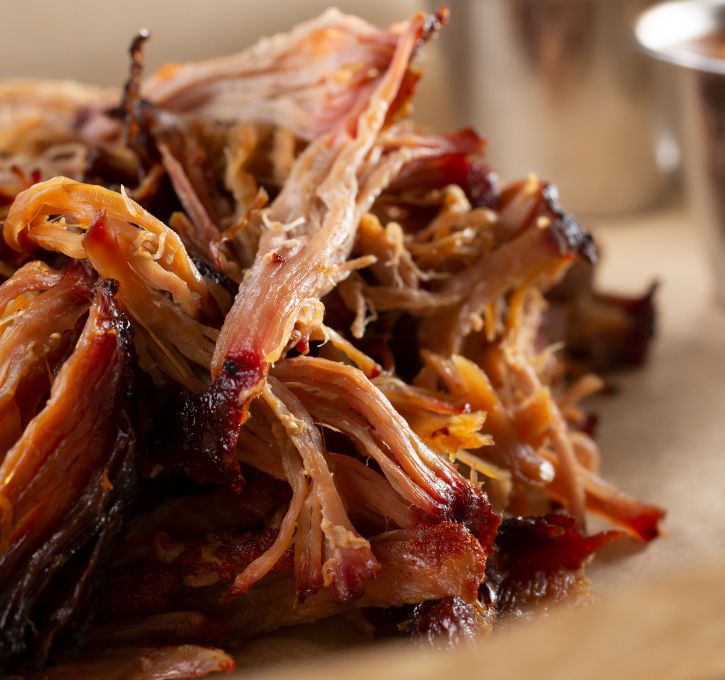
Pulling is easier when you respect the grain. Start by removing the blade bone and any large pockets of unrendered fat. Shred into long strands with gloved hands or bear claws, then chop lightly if you prefer shorter pieces for sandwiches and sliders.

Taste before you reach for sauce. Often you only need a light sprinkle of the original rub or a dash of apple cider vinegar to brighten rich meat. Keep sauce on the side so guests can choose their level.

Gloves such as Hardcore Carnivore High Heat help with grip and heat

Add a small splash of warm pan juices, not cold sauce, to keep texture silky

Hold finished pork covered and warm so the surface does not dry

Common mistakes and how to avoid them

The shoulder is forgiving, but a few habits set you up for better results every time. The list below fixes the issues we see most often in classes and in store troubleshooting.

Small changes make a large difference. Give the smoker time to stabilise, check placement and trust the process.
Starting the cook before the pit is stable and clean

Probing near bone and reading a false high

Wrapping too early before bark colour sets

Rushing the rest and shredding while juices are still surging

Leaving finished pork uncovered and losing heat and moisture
Elevate Your BBQ Game with These Essential Pellet Smoker Tips

Gear and supplies that make pork shoulder easier

A simple kit improves control and keeps the flow calm from lighting to serving. Match tools to your smoker style and buy once with quality so they last.

Turn Left @ Albuquerque stocks everything listed here, so you can build a set that works for your backyard without guesswork.

The MeatStick X Wireless Meat Thermometer for cable free tracking in drums and rotisseries

Inkbird IBT 4XS Bluetooth for four channel monitoring on pellet, kamado and offset

Hark Rapid Instant Read Thermometer for quick checks near the end

Hardcore Carnivore High Heat Gloves or Yoder Smokers Long Leather Gloves for safe handling
Smokey BBQ Bits Charcoal Chimney Starter and Valkry Rover Additional Charcoal Basket for clean ignition and tidy fuel zones

Meatchurch Texas Sugar, Bluebird Renegade Rub, Stef The Maori Rub One Out for proven flavour on pork

Apple and hickory wood from the Smoking Woods range for a clean, balanced profile

Serving ideas that respect the cook

Pulled pork is versatile. Keep the first plate simple so the work shows, then have fun with leftovers. The best sides add texture and freshness rather than fighting the richness.

Plan ahead so the table comes together when the shoulder is ready. Warm buns, a crisp slaw and something sharp on the side make every plate better.

Classic sliders with a vinegar slaw and dill pickles

Tacos with charred pineapple salsa and lime

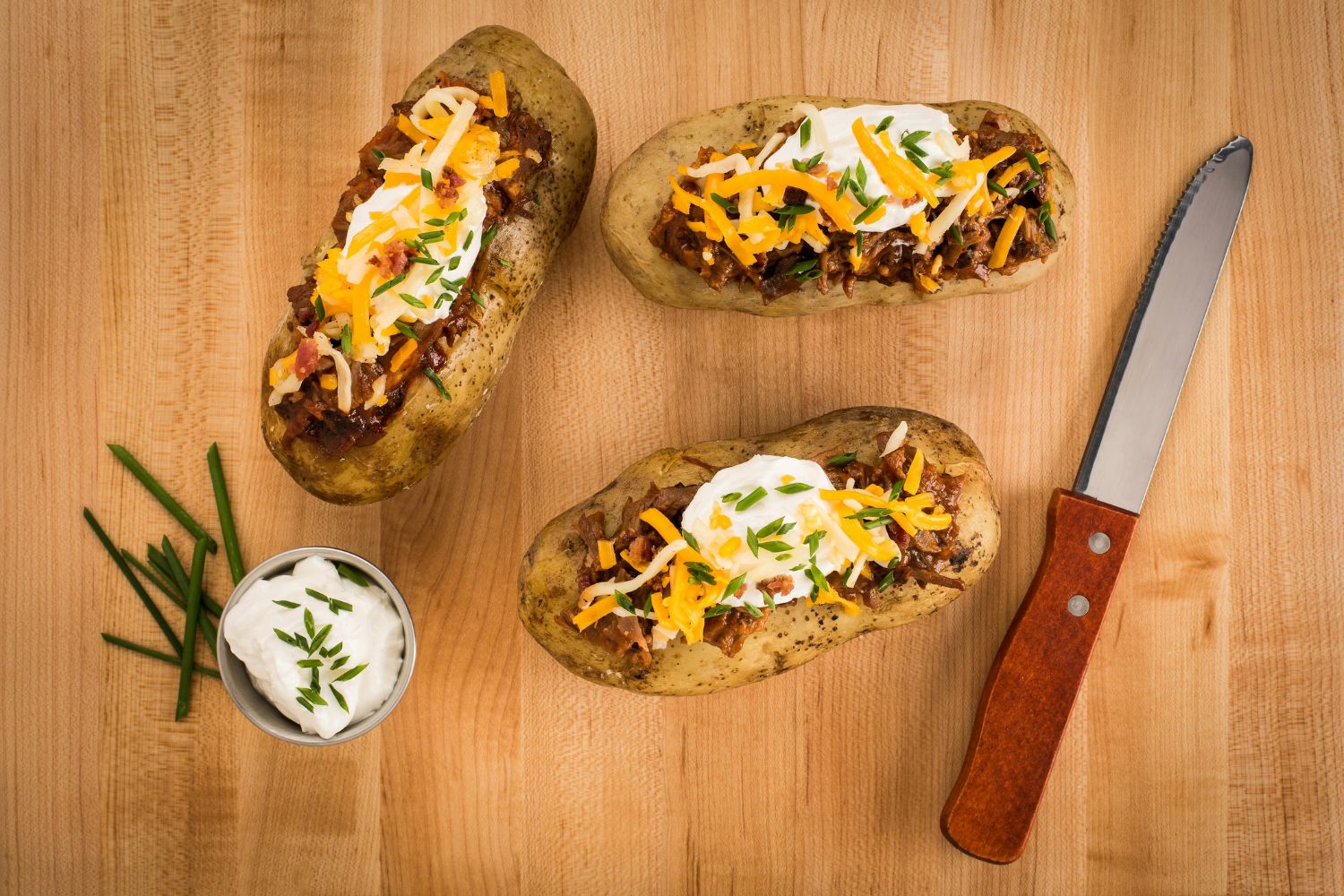
Baked potatoes topped with pulled pork, spring onion and sour cream

Fried rice or noodle stir fry with the next day leftovers and a squeeze of citrus
Elevate Your BBQ Game with These Essential Pellet Smoker Tips
Savory pulled pork sandwich with vibrant vegetables, accompanied by crunchy chips and a rich BBQ sauce.

Want to continue your pork smoking journey?

If you want a deeper step by step, visit the BBQ Techniques section and read the pork shoulder guidance you have already seen in store classes and demos. Pair that with product browsing to build your kit in one session and cook with confidence this weekend.

Explore Smoker BBQs for pellet, offset, kamado and drum models that suit Australian backyards

Browse Rubs for Pork to lock in a flavour direction that matches your crowd

Stock up on Smoking Woods so you can tune sweetness and depth across different cooks

Read BBQ Techniques for pork shoulder trimming, wrapping and resting tips at https://www.turnleftatalbuquerque.com.au/bbq-techniques/

FAQs

What size shoulder should I buy for a family get together

Plan for about 250 grams of cooked meat per person. A 3 to 4 kilogram shoulder usually serves eight to ten with sides.

Do I need to inject pork shoulder

Injection is optional. A balanced rub, steady heat and a proper rest deliver moist results without extra steps for most home cooks.

Paper or foil for wrapping

Paper preserves bark texture and still speeds the cook. Foil pushes faster and softens the exterior. Choose based on the finish you prefer.

Why does my pulled pork taste smoky on the surface but bland inside

Season generously and give the rub time to settle. Mix bark and interior meat during shredding so flavour is evenly distributed.

Can I cook two shoulders at once

Yes. Leave space for airflow and use a probe in the larger piece. Stagger removal so you can shred one while the other rests.

How do I reheat pulled pork without drying it

Warm gently in a covered pan with a splash of reserved juices or low sodium stock. Avoid boiling and stir occasionally to heat evenly.
Search
×
×
Your Cart
Cart is empty.
Fill your cart with amazing items
Shop Now
$0.00
Shipping & taxes may be re-calculated at checkout
$0.00