
Turn Left Albuquerque

Why kosher salt is turning up in Australian kitchens 

Australian cooks have become more confident over the past decade.
People who once followed recipes strictly now adjust seasonings, swap ingredients and trust their senses. In the middle of that shift sits an ingredient that was rarely seen here until recently. Kosher salt has moved from a specialist import to a pantry regular in homes across the country, and its rise says something about how Australians now cook.

Supermarket shelves still offer the usual table salt, sea salt and flake salt. Even so, many Australians go out of their way to buy kosher salt online. Its appeal has nothing to do with religion. It comes down to texture and the way the crystals behave when they hit food.
BBQ Maintenance
Inspect Your Smoker

What is kosher salt?

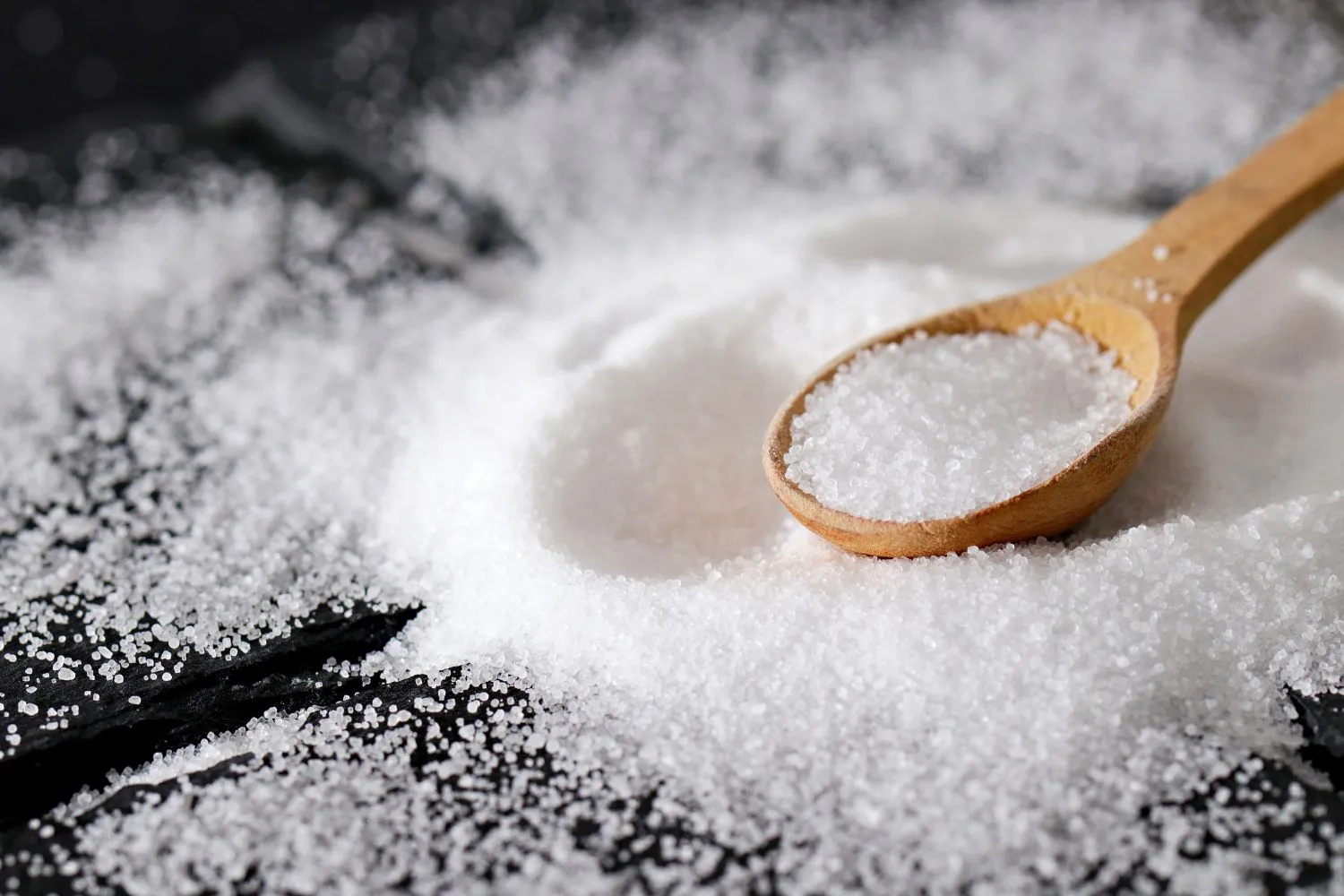
Kosher salt is a coarse, flaky cooking salt with large, irregular crystals. It is used to season food because the grains are easy to pinch, spread and control. Despite the name, it is not inherently religious. The term refers to the salt’s traditional use in koshering meat, where the larger crystals were effective at drawing moisture from the surface. In everyday cooking, kosher salt dissolves more slowly than table salt, gives even coverage and makes it harder to oversalt food. It is popular with chefs, butchers and barbecue cooks for its texture and consistency.

How Australians discovered they needed a different salt

For many home cooks, kosher salt first appeared in international recipes. Online videos and food programs often referenced it without explanation. Australians following those recipes soon learned that table salt produced very different results. Table salt is dense. A teaspoon contains far more sodium than a teaspoon of kosher salt, which meant oversalted dishes and a lot of uncertainty.

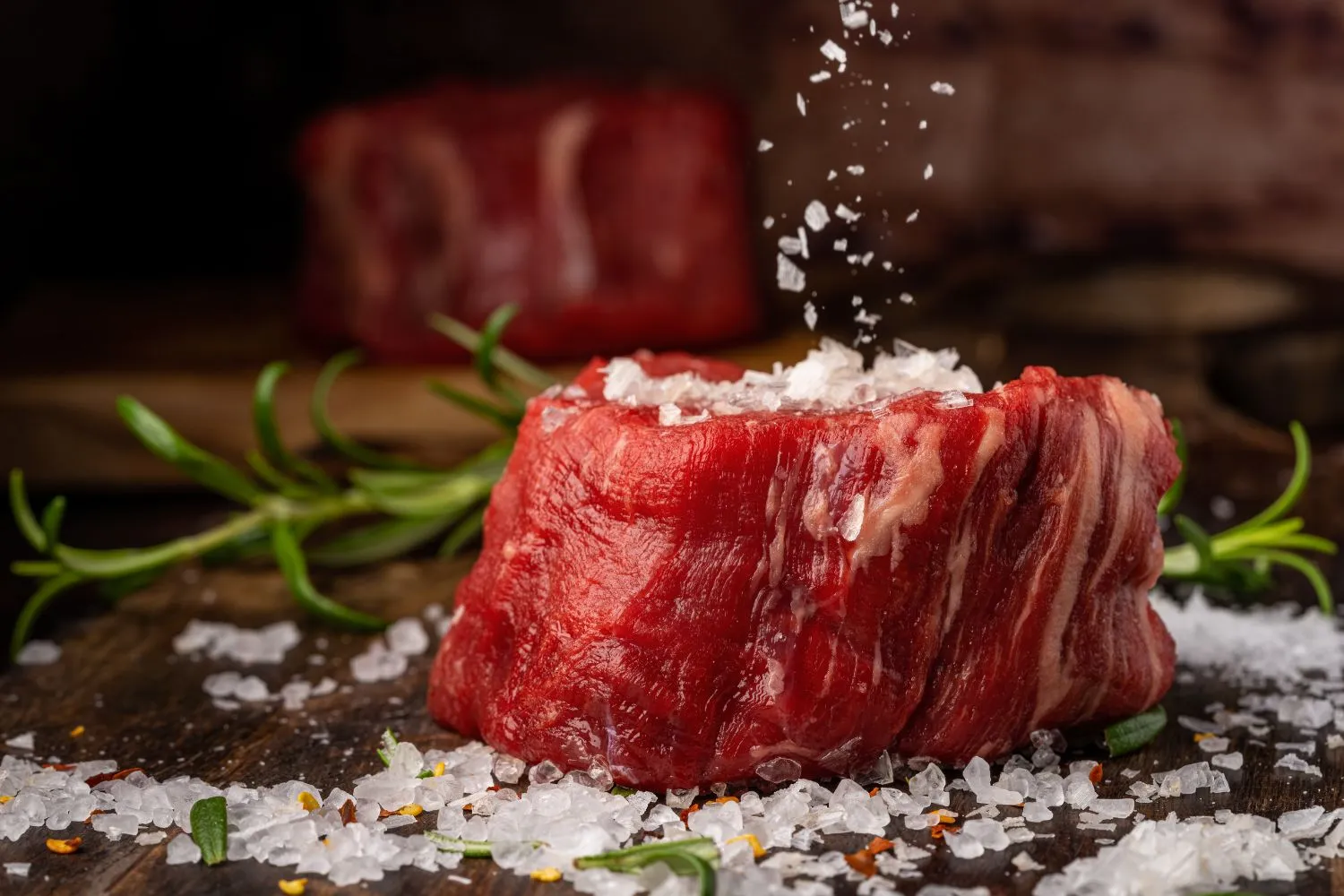
Barbecue culture added to the problem. As more Australians cooked brisket, pork shoulder or reverse seared steaks, they found that fine salt did not cling to the surface properly. Larger crystals gave better coverage and allowed for even seasoning across larger cuts.

What Australians actually buy under the name kosher salt

Local availability is very different from overseas. Diamond Crystal, the brand most commonly used in American recipes, is not sold in Australian supermarkets. Coles, Woolworths and IGAs mostly stock table salt, standard sea salt and local flake salts.

Australians who use kosher salt generally buy:

Morton kosher salt
Imported kosher salts from specialty grocers
Bulk packs from barbecue retailers
Australian flake salts as a functional substitute when needed
Diamond Crystal and Morton behave differently. Diamond Crystal is looser and lighter. Morton is denser and saltier per teaspoon. Home cooks who do not know this often over-season food when following US measurements.

The qualities that matter in an Australian kitchen

Kosher salt offers three advantages that suit the way Australians cook.

1. Better control when seasoning

The crystal size makes it easier to judge how much is being used. This suits cooks who rely on feel rather than exact measuring.

2. Reliability on meat

The salt spreads evenly and sticks to the surface of brisket, lamb ribs and pork neck without melting immediately. This helps build an even crust.

3. Steady dissolving

Gas BBQs, flat plates and cast iron pans are common here. Kosher salt dissolves at a pace that suits these cooking methods.
Elevate Your BBQ Game with These Essential Pellet Smoker Tips

How kosher salt performs in everyday Australian dishes

Roast chicken: Spreads evenly over the skin. Helps dry the surface for better crisping.

Grilled prawns: Clings without clumping. Avoids drawing out moisture too fast.

Lamb chops on gas BBQ: Harder to oversalt. Season just before cooking.

Sourdough: Easy to distribute in dough. Weighing remains the best approach.

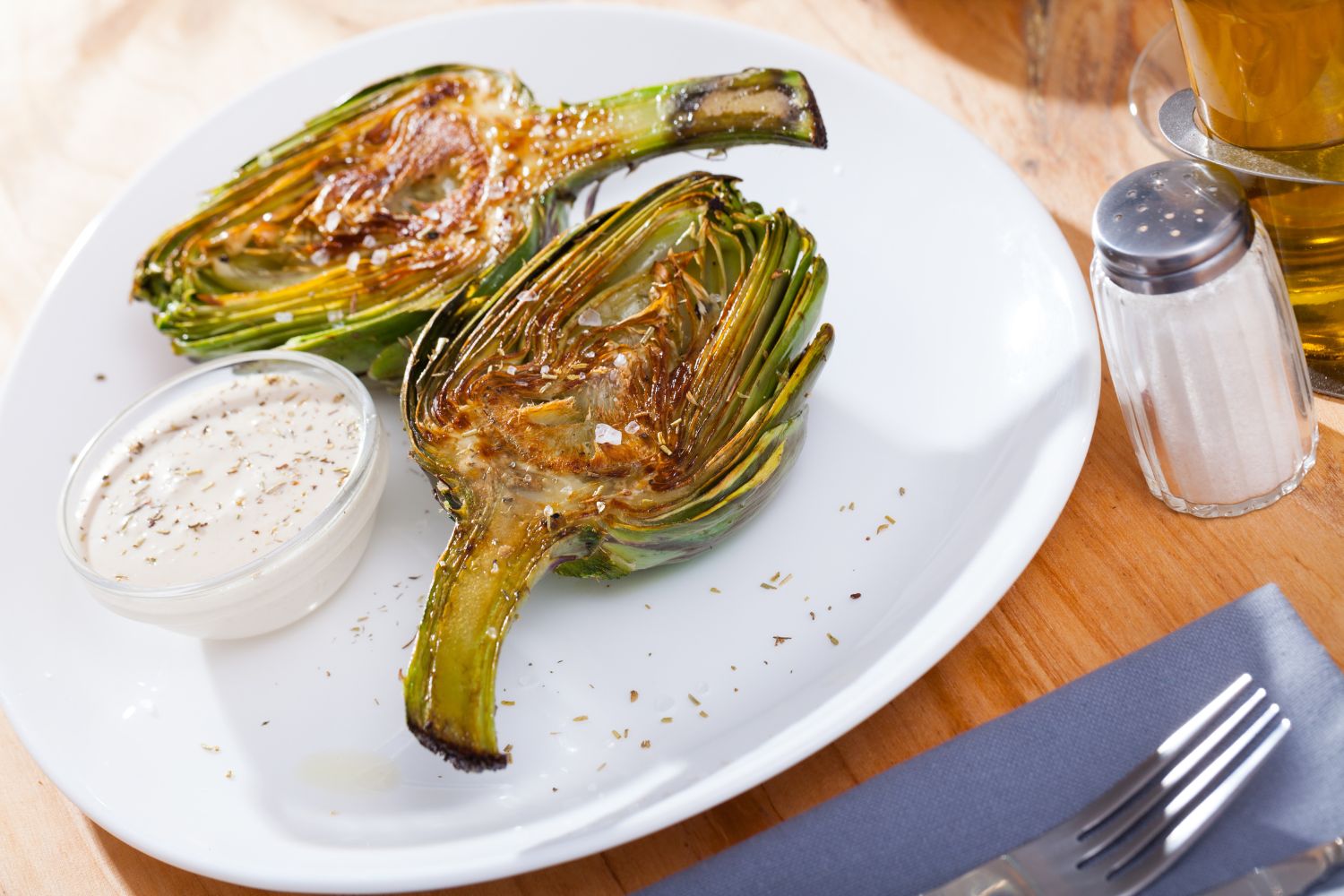
Roasted vegetables: Creates crisp edges. Combine with oil before roasting.

Adjusting US recipes for Australian salt

Since Diamond Crystal is not sold here, conversions help prevent oversalting.

Practical conversion guide for Australian cooks:

One teaspoon Diamond Crystal equals about half a teaspoon table salt
One teaspoon Morton equals about three quarters of a teaspoon table salt

Start lightly and adjust after tasting
Australian flake salts, like Murray River and Olsson’s, behave differently again. They dissolve faster and suit finishing seafood, salads and lighter dishes.

Why barbecue teams accelerated its rise

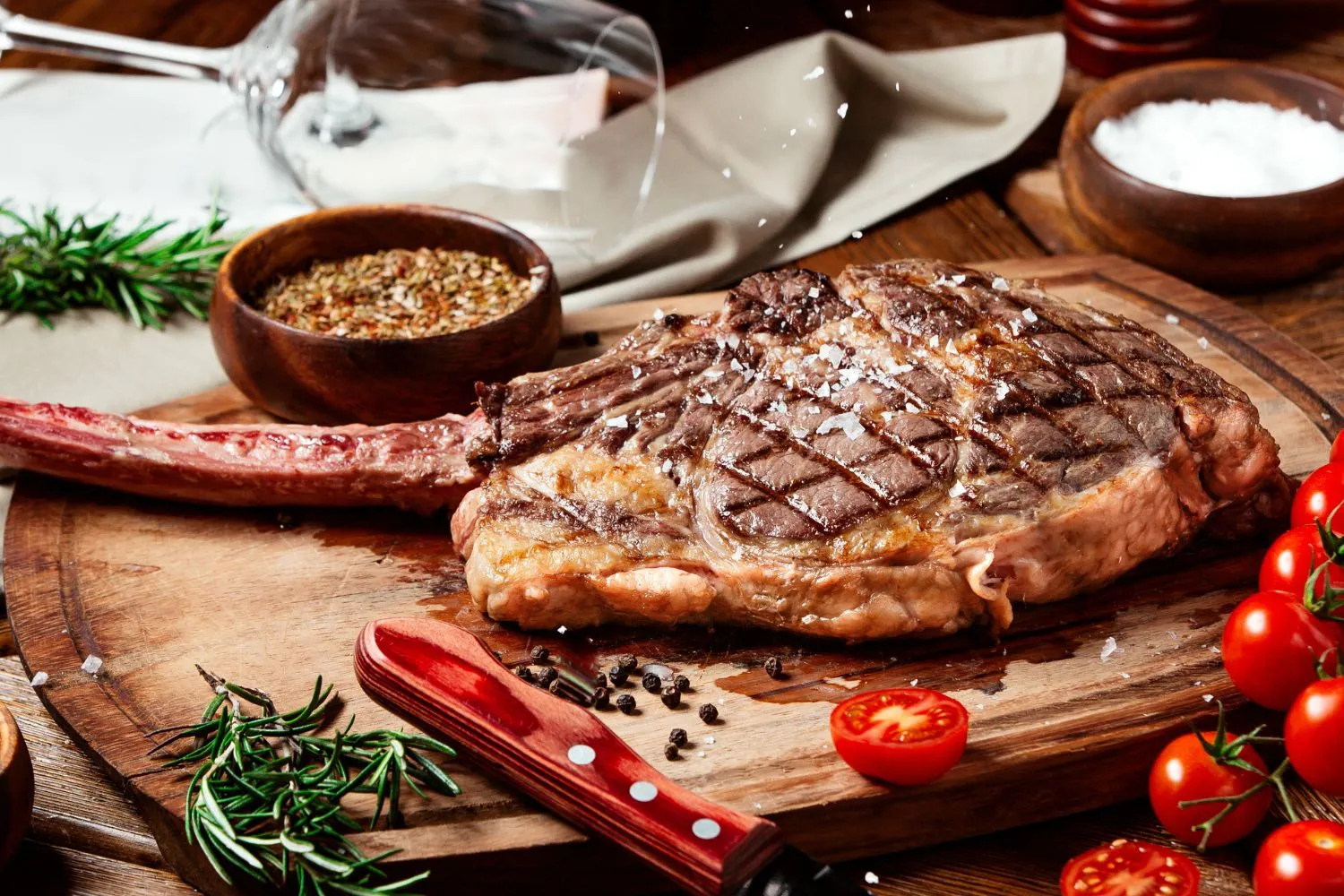
Australia’s barbecue scene has grown into a mix of American, Japanese and local influences. Competition teams, independent butchers and barbecue retailers played a major role in introducing kosher salt to home cooks. Classes, demonstrations and social media cooks all reinforced that salt is not just seasoning. It shapes texture and moisture.

Slow cooked beef relies on even salting to draw moisture to the surface. Pork shoulder benefits from the grip of larger crystals. Lamb ribs respond well to slow dissolving salt that supports rubs without turning muddy. These qualities made kosher salt appealing, and once people tried it they began using it for weekday meals as well.
Elevate Your BBQ Game with These Essential Pellet Smoker Tips

Where kosher salt fits in Australian cooking today

Kosher salt has joined, not replaced, the other salts in the pantry. Australians still use table salt for baking and flake salts for finishing dishes. What has changed is the range of options and the level of control cooks now expect.

The popularity of kosher salt shows that Australians are comfortable adapting ideas rather than copying them. What began as an ingredient from overseas recipes now sits firmly in local kitchens, shaped by the way Australians cook at home.

Search
×
×
Your Cart
Cart is empty.
Fill your cart with amazing items
Shop Now
$0.00
Shipping & taxes may be re-calculated at checkout
$0.00