
How to Match Rub Strength and Cooking Time for Different Meats
Why rub strength matters
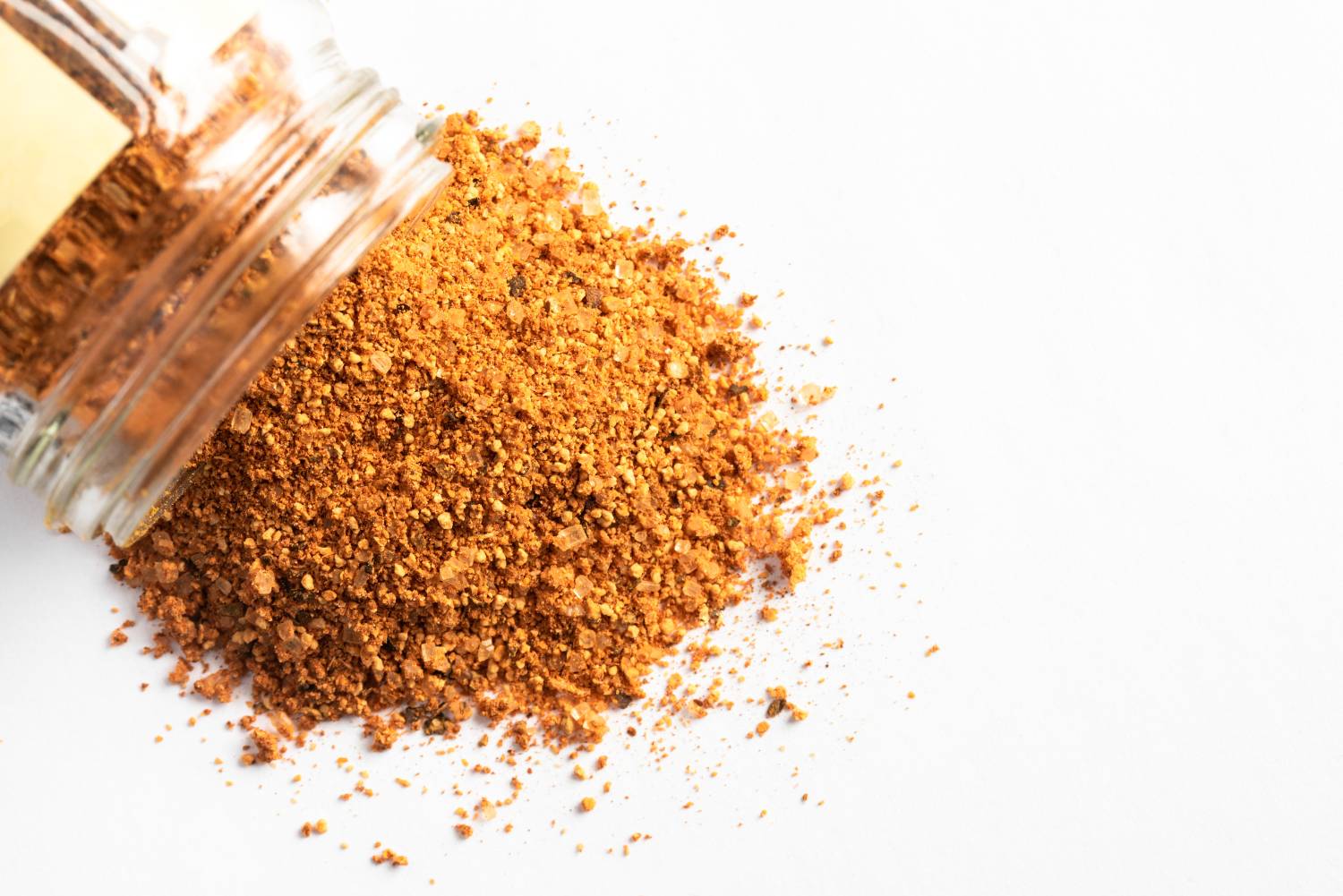
Rubs vary in salt, spices, sugar, chilli content, and grain size. Stronger rub blends tend to use bold spices, coarse grains, and higher salt or sugar content. On the site of Turn Left at Albuquerque their beef rubs are described as “big, bold and built for bark” — designed to stand up to serious cuts like brisket, short ribs or tomahawks. turnleftatalbuquerque.com.au
For short cooks or lighter meats, a heavy rub can overpower the natural flavour or carbonise under heat. Lighter rubs or more balanced blends are often better for thin cuts or meats cooked quickly.
How cooking time and method affect rub selection
Here is a guide to choosing rub strength based on cooking duration and method:
| Cooking style / Duration | Recommended meat types | Rub strength/type | Why this works |
|---|---|---|---|
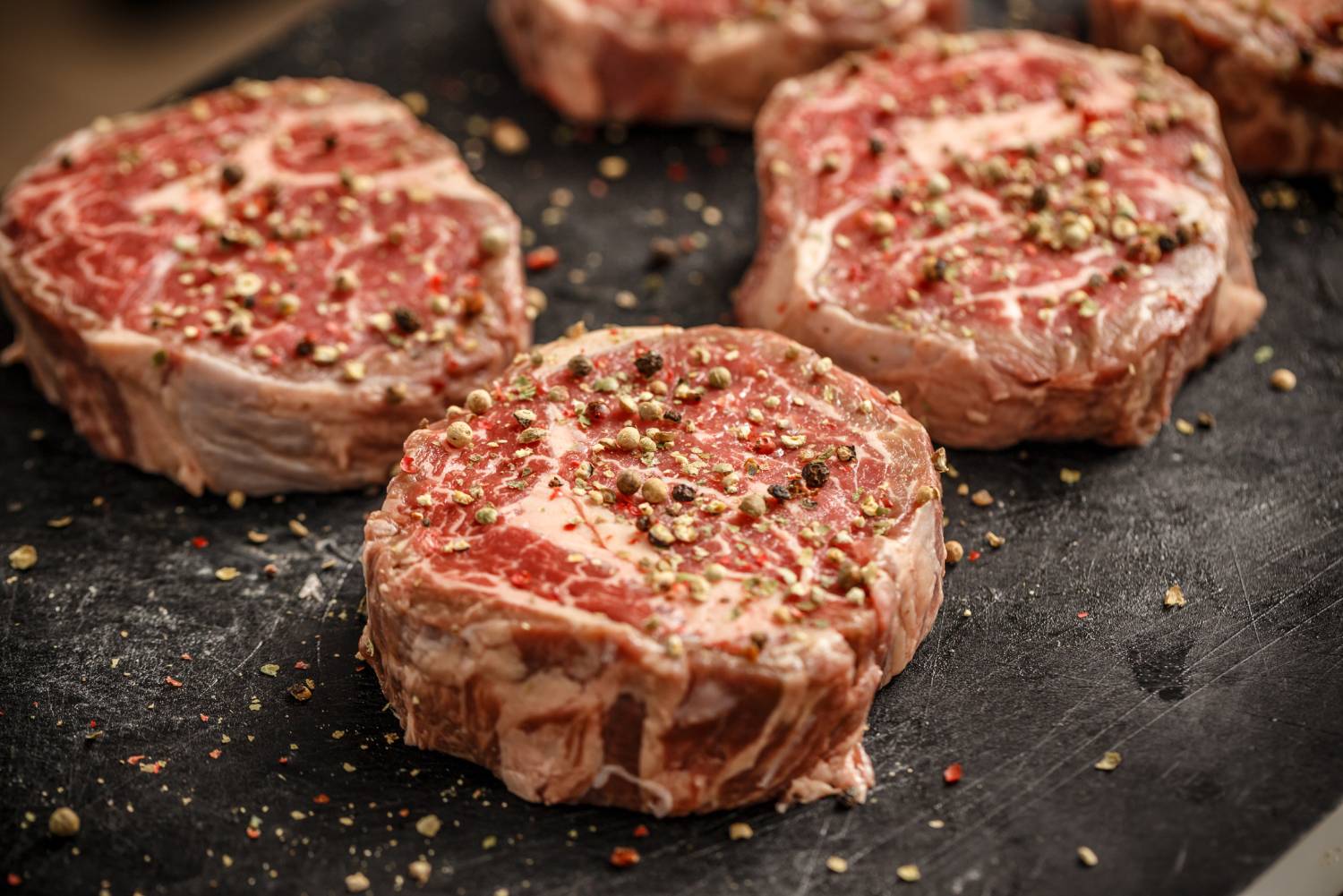
| Short grill (5–15 min), high heat | Steaks, chops, thin cuts, seafood | Light-to-medium dry rub or simple salt/pepper | Avoids burning spices, lets meat flavour shine |
| Medium roast (20–45 min) | Thick chops, small roasts, pork loin | Medium rub — balanced salt, spices, modest sugar | Allows seasoning to flavour meat without crisping too fast |
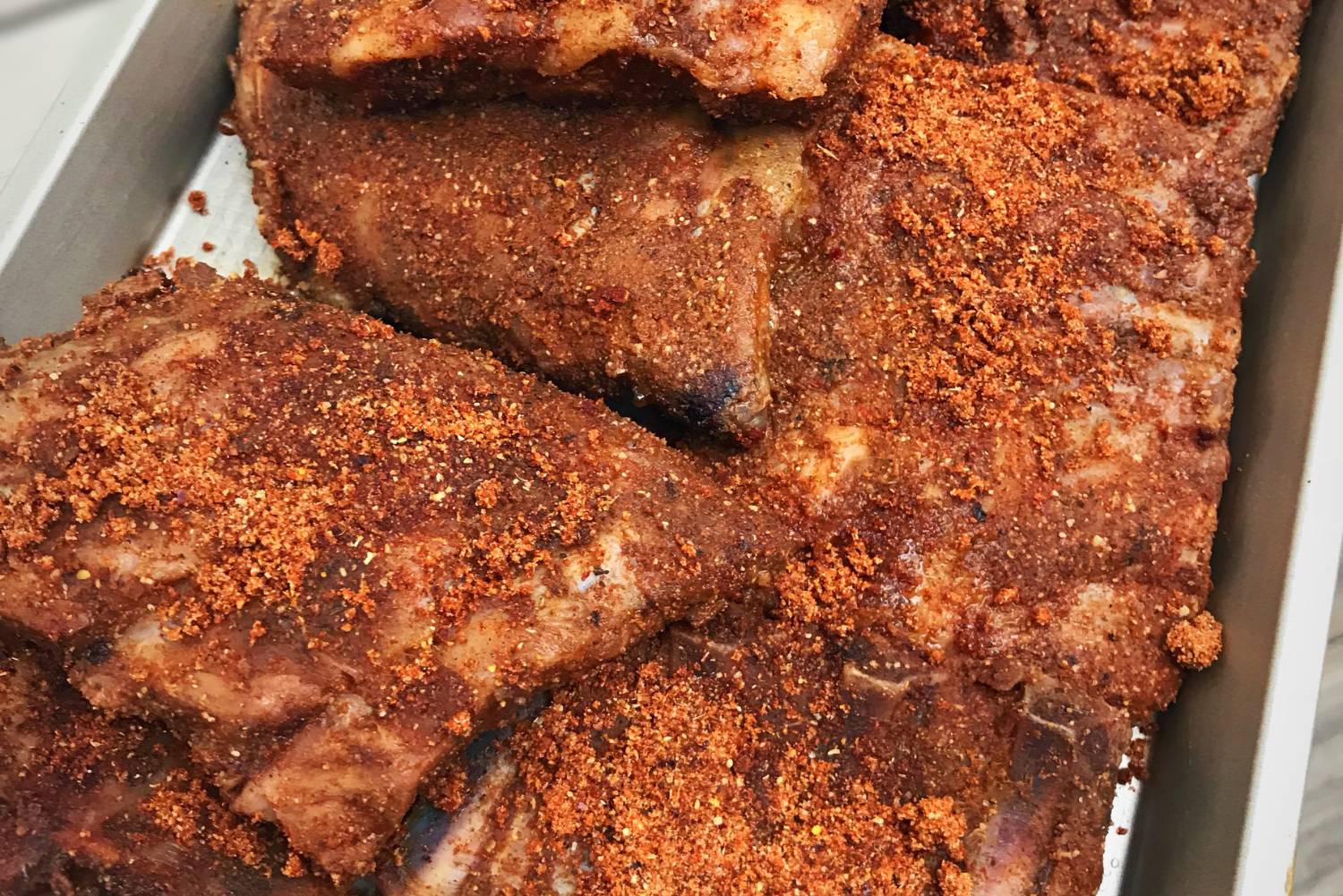
| Low ‘n’ slow smoking (4–12 h) | Brisket, shoulder, ribs, whole poultry | Strong rub — coarse grain, salt, sugar, spice mix | Long cook time softens rub surface, sugar aids bark formation and smoke absorption |
| Smoker wrap & finish (after bark formation) | Ribs, pork shoulder, brisket | Moderate rub or re-rub after wrap if needed | Prevents over-charring and balances external crust |
What rubs are built for heavy cuts?
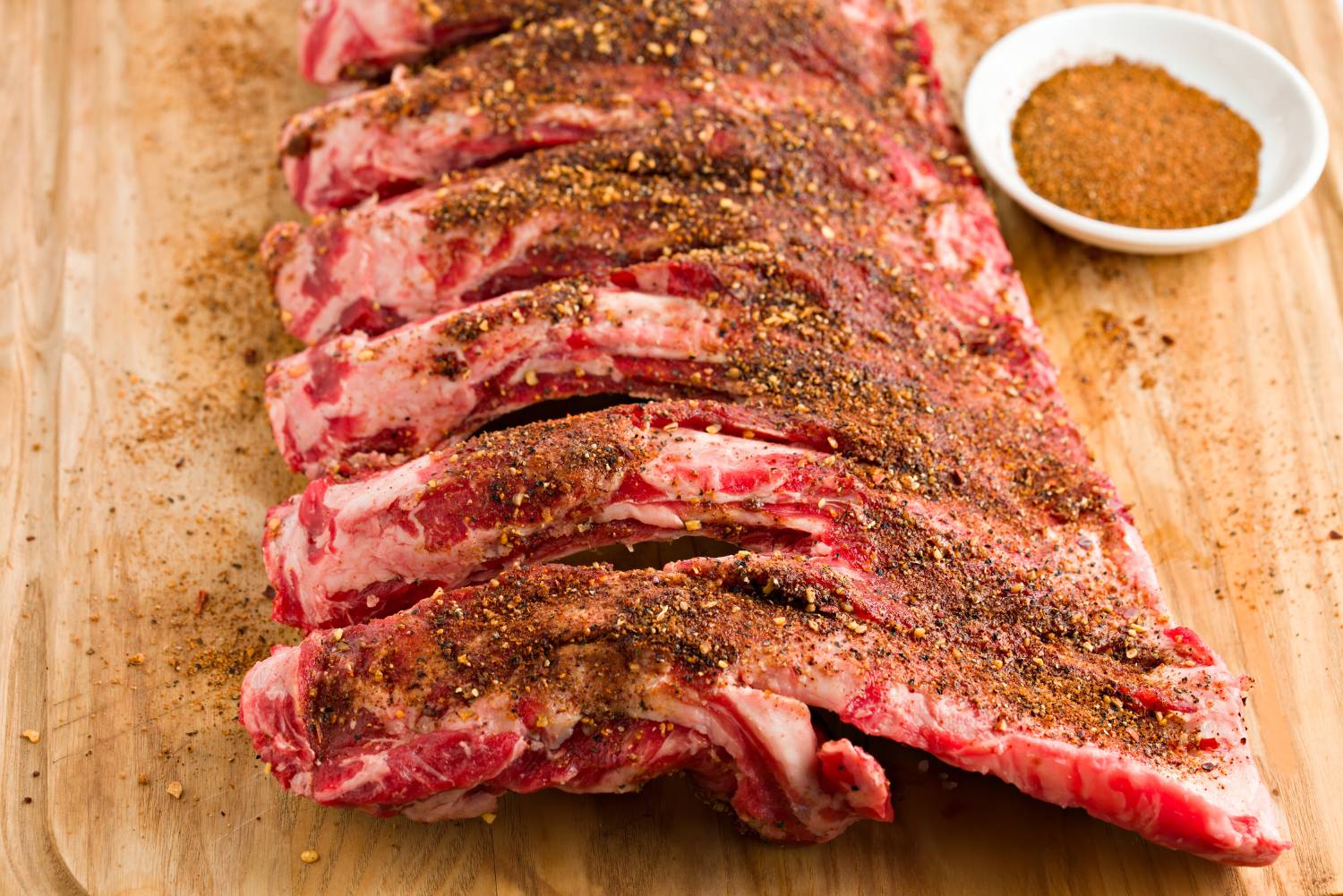
On Turn Left at Albuquerque’s beef rubs page, the descriptions emphasise robustness and bark endurance for serious cuts — features you want if you are cooking low and slow. turnleftatalbuquerque.com.au
Heavy cuts have thick muscle and connective tissue. Under prolonged heat and smoke, they break down slowly. A strong rub with enough salt ensures the surface forms a crust, flavours penetrate slowly, and the bark holds up during hours of cooking. Sugar and spices help create colour and depth without overwhelming the meat if applied correctly.
Why light rubs work for quick cooks
Quick grills expose meat to high heat for brief durations. Spices and sugar on strong rubs can burn before meat cooks through. A lighter rub preserves the natural flavour of the cut and reduces the risk of bitterness or overbearing crust. Many rub-use guides recommend simpler seasoning for quick cooks — salt, pepper, mild spices. All Things Barbecue+1
Practical advice when choosing rub and cook style
Allow rub to rest on meat before cooking — 30 minutes for high heat grilling, up to an hour or two for larger cuts helps seasoning settle and moisture equalise. All Things Barbecue+1