Turn Left Albuquerque

How to Maintain Smokers and Grills for Better Performance 

A smoker or grill will last for years if it is cleaned and maintained with steady care.
Good maintenance improves temperature control, prevents rust, and keeps food tasting clean. These tasks do not require specialist tools or advanced skills. They rely on routine habits that most manufacturers and experienced pitmasters recommend.Smokers and grills come in different forms, but the core principles of care remain similar across charcoal, wood fired, pellet and gas units. The aim is simple. Keep heat flowing, keep surfaces clean and protect metal from moisture.
BBQ Maintenance

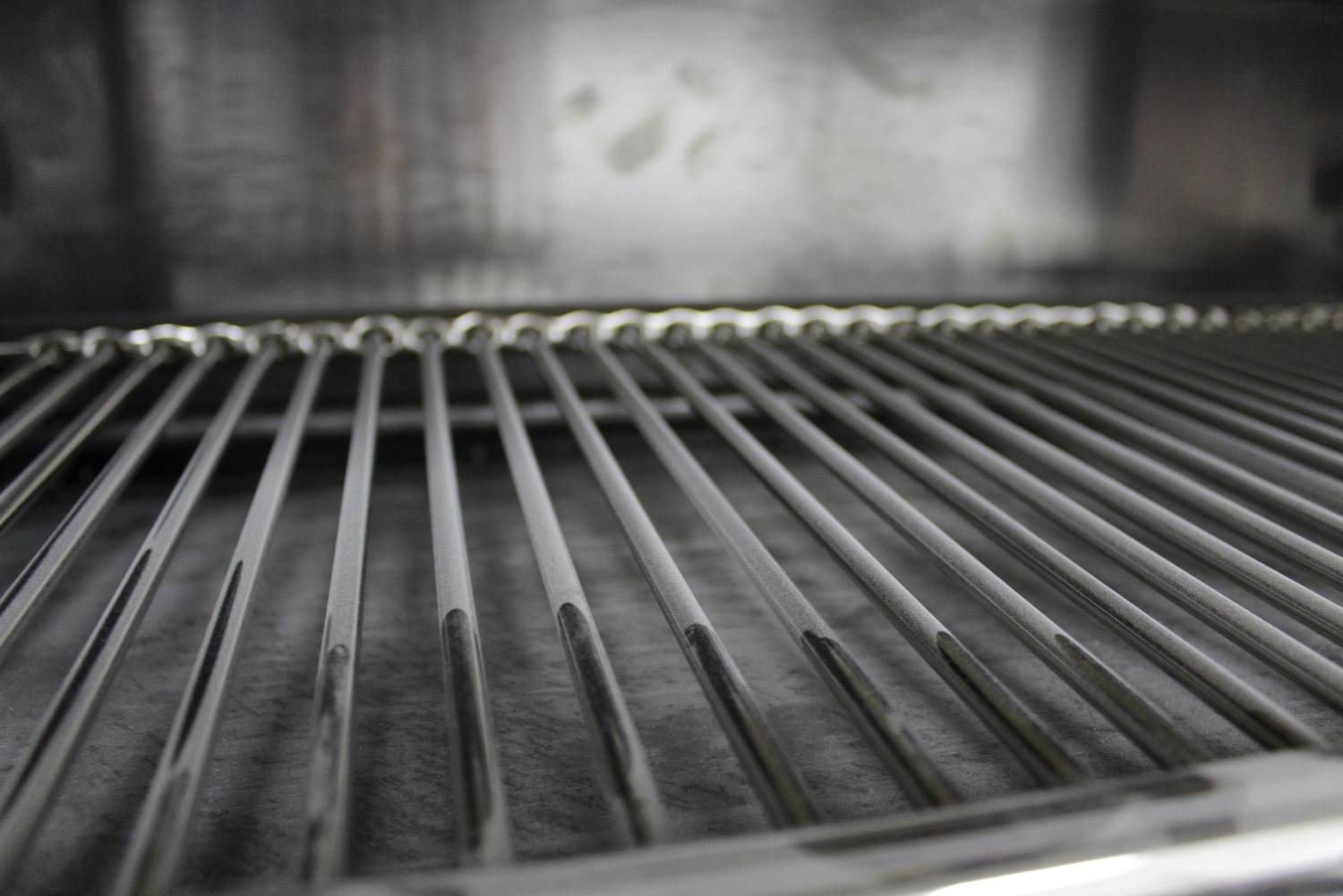
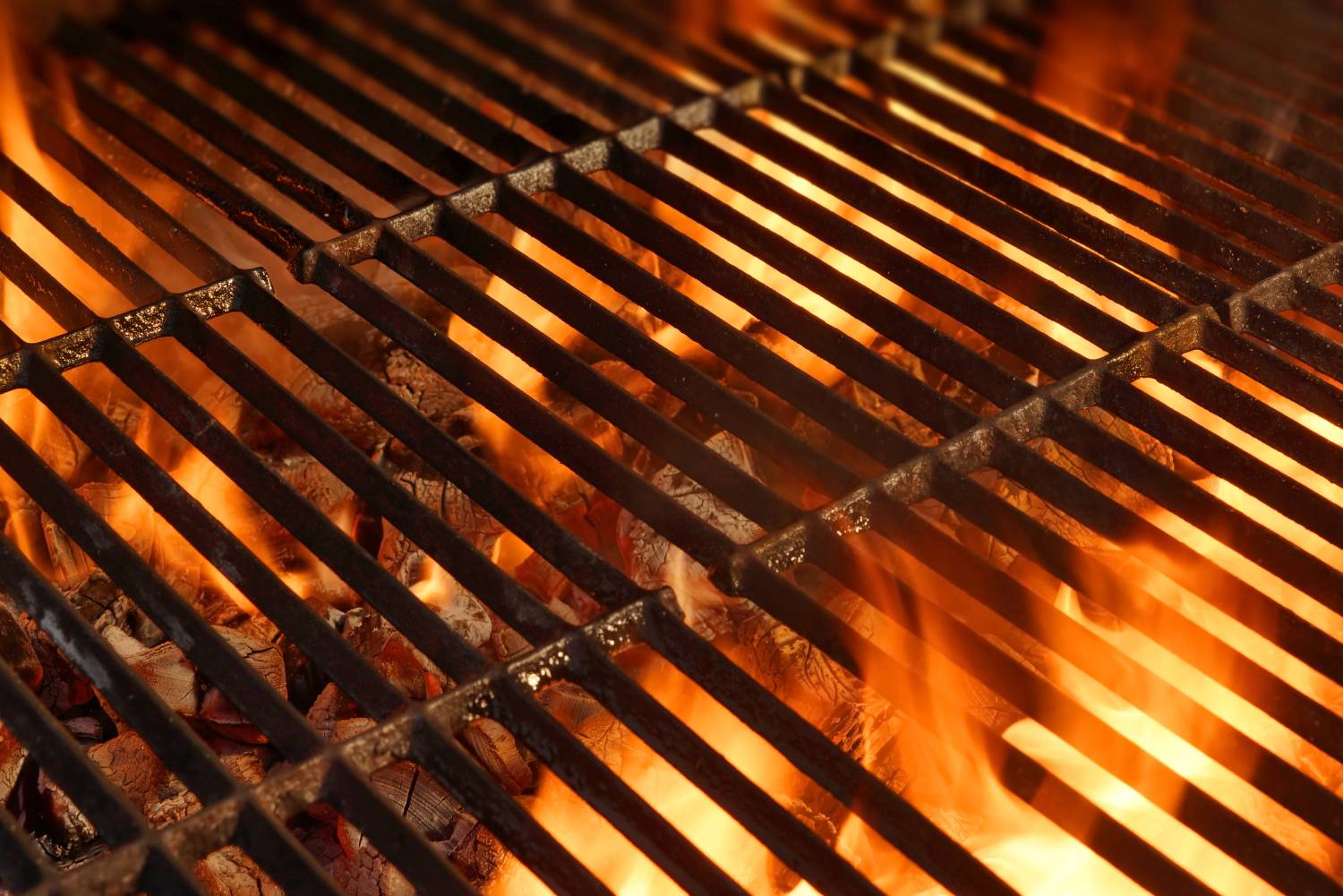
Cleaning the cooking grates

Cooking grates collect carbon, fat and seasoning from previous cooks. A thin layer builds flavour, but heavy buildup affects heat transfer and can cause sticking.

Standard grate care

Preheat the grill before brushing so residue softens
Use a stiff brush or scraper suited to your grate material
Avoid wire brushes that shed bristles
Wipe grates lightly with a food safe oil after cleaning
These steps follow recommendations from many grill makers who state that clean grates improve sear marks and reduce flare ups.

Managing ash and fuel residue

Charcoal and wood smokers produce ash that settles in the base of the unit. Ash absorbs moisture, which accelerates corrosion.

Routine ash steps

Empty ash after each cook once it has cooled
Check air vents for blockages

Inspect fire baskets or trays for buildup

Good airflow is central to temperature stability. Even a small layer of compacted ash can restrict oxygen and force the smoker to run cooler or behave unpredictably.

Protecting metal surfaces

Heat, smoke and weather cause slow wear on metal. Manufacturers of steel smokers and grills frequently advise keeping units dry and covered when not in use.

Surface care

Use a cover that fits properly
Allow smokers to cool fully before covering
Inspect for rust spots and remove them with fine abrasive pads
Apply high temperature paint only if recommended by the manufacturer
Regular attention to small rust patches prevents larger repairs later.

Cleaning the interior without damaging seasoning

Smokers develop a layer of seasoning on the inside walls. This thin film protects against rust and contributes to stable cooking conditions. It should not be stripped unless contaminated by mould or severe buildup.

Correct interior care

Remove loose flakes gently
Avoid detergents inside the chamber
Keep the interior dry between cooks
Pellet smoker manufacturers also advise checking the burn pot regularly and removing excess ash to prevent ignition problems.

Maintaining temperature probes and electronics

Many smokers use digital controllers, temperature probes and fans. These parts require simple but consistent care.

Probe and controller tips
Wipe probes after each cook with mild detergent
Check cables for cracks or heat damage
Keep controller vents free of dust
Replace faulty probes promptly to avoid inaccurate readings
Accurate temperature is essential for long cooks and food safety.
Inspect Your Smoker
Inspect Your Smoker

Managing grease

Grease traps and channels collect fat and drippings. If neglected, they can cause flare ups or strong smoke that alters flavour.

Grease management

Empty trays each cook
Scrape channels gently without gouging surfaces
Use liners only if approved for your smoker model
Gas grill companies often warn that blocked grease channels are a common cause of internal fires, making routine cleaning essential.

Seasonal deep clean

A deeper clean two or three times a year helps keep the unit functioning well.

A typical deep clean includes

Removing grates and heat diffusers
Cleaning the firebox
Checking gasket seals on smokers
Inspecting hinges and handles for wear
Checking bolts and screws for looseness
This type of maintenance aligns with guidance published by leading grill and smoker brands, all of which stress the importance of airflow, cleanliness and structural integrity.

Storage and moisture prevention

Moisture is a major cause of rust in smokers and grills. Condensation can form even when the unit is covered.Storage reminders

Standard grate care

Keep units off wet ground
Allow ventilation under covers
Avoid storing against walls where moisture can collect
Open vents before covering to allow airflow
These steps help protect internal metal surfaces during periods when the smoker is not used often.

FAQ

Do I need to clean the smoker after every cook

A full clean is not required, but emptying ash and brushing grates is recommended. This helps maintain airflow and prevents flavour contamination.

Should I use oven cleaner inside my smoker

No. Most manufacturers advise against harsh chemicals inside the cooking chamber. Mild detergent can be used on removable parts or grates only.

How often should probes be replaced

Probes can last years if handled carefully, but they should be replaced if readings become unreliable or if cable damage is visible.

Do pellet smokers need different maintenance

Yes. Pellet smokers require burn pot cleaning and storage of pellets in dry conditions. Moist pellets can cause jams or ignition failure.

Can I oil the inside of my smoker

Some pitmasters apply a very light coat of high temperature cooking oil after cleaning to protect metal. This is optional and should be done sparingly.
Search
×
×
Your Cart
Cart is empty.
Fill your cart with amazing items
Shop Now
$0.00
Shipping & taxes may be re-calculated at checkout
$0.00