
How Wood Choice Shapes Flavour in Australian BBQ
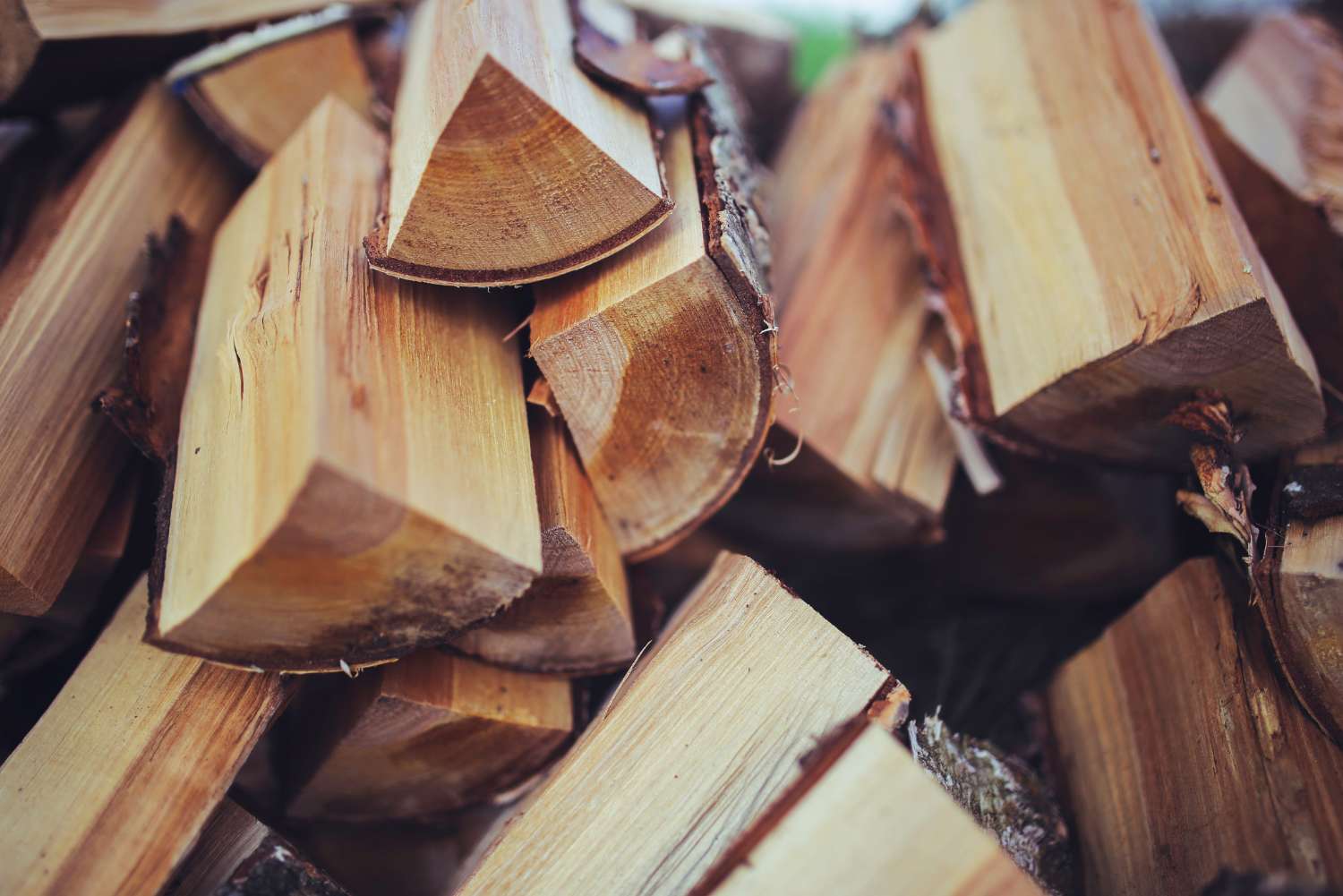
The type of wood you use for smoking is more than a fuel decision. Hardwood species differ in density, burn rate, moisture handling and smoke profile — all of which shape the aroma, bark, bark colour and the smoky flavour that reaches your meat. https://amazingribs.com/more-technique-and-science/grill-and-smoker-setup-and-firing/science-of-wood-and-smoke/
On the Turn Left at Albuquerque site the “Smoking Woods” range lists several hardwood options: cherry, hickory, apple, pecan, plum, ironbark and more. That means the store already carries a variety of woods suitable for different meats and cooking styles.
How different woods influence results
| Wood type | Smoke / flavour tone | Best meats or use cases |
|---|---|---|
| Apple, Cherry (fruitwoods) | Mild, fruity, sweet, gentle smoke | Poultry, pork loin, fish, lighter cuts needing subtle smoke |
| Pecan | Medium nutty or sweet smoke, moderate density | Pork ribs, lamb, mixed loads where balanced smoke works |
| Hickory | Bold, strong, classic BBQ smoke, long burn time | Beef brisket, short ribs, heavy roasts — meats that handle intense smoke |
| Ironbark (dense Australian hardwoods) | Steady burn, deep smoke, ideal for long cooks, strong heat retention | Red meats, game, long low-and-slow cooks needing stable heat |
| Mixed woods / blends | Balanced smoke profile — sweet, mild, and strong notes depending on blend | Mixed trays, or when you want complexity without overpowering |
What makes a hardwood good for BBQ smoke
Low resin content and stable density helps burn evenly and cleanly. Softwoods or resin-rich wood can lead to harsh, bitter smoke and unpleasant taste. WoodSmoke Forum+1
Hardwood species with fruit or nut origin (apple, cherry, pecan) give sweeter, lighter smoke. The Virtual Weber Bullet+1
Dense hardwoods like ironbark or hickory sustain stable heat for longer, ideal for long cooks with heavy cuts. Garcia Barbecue+1
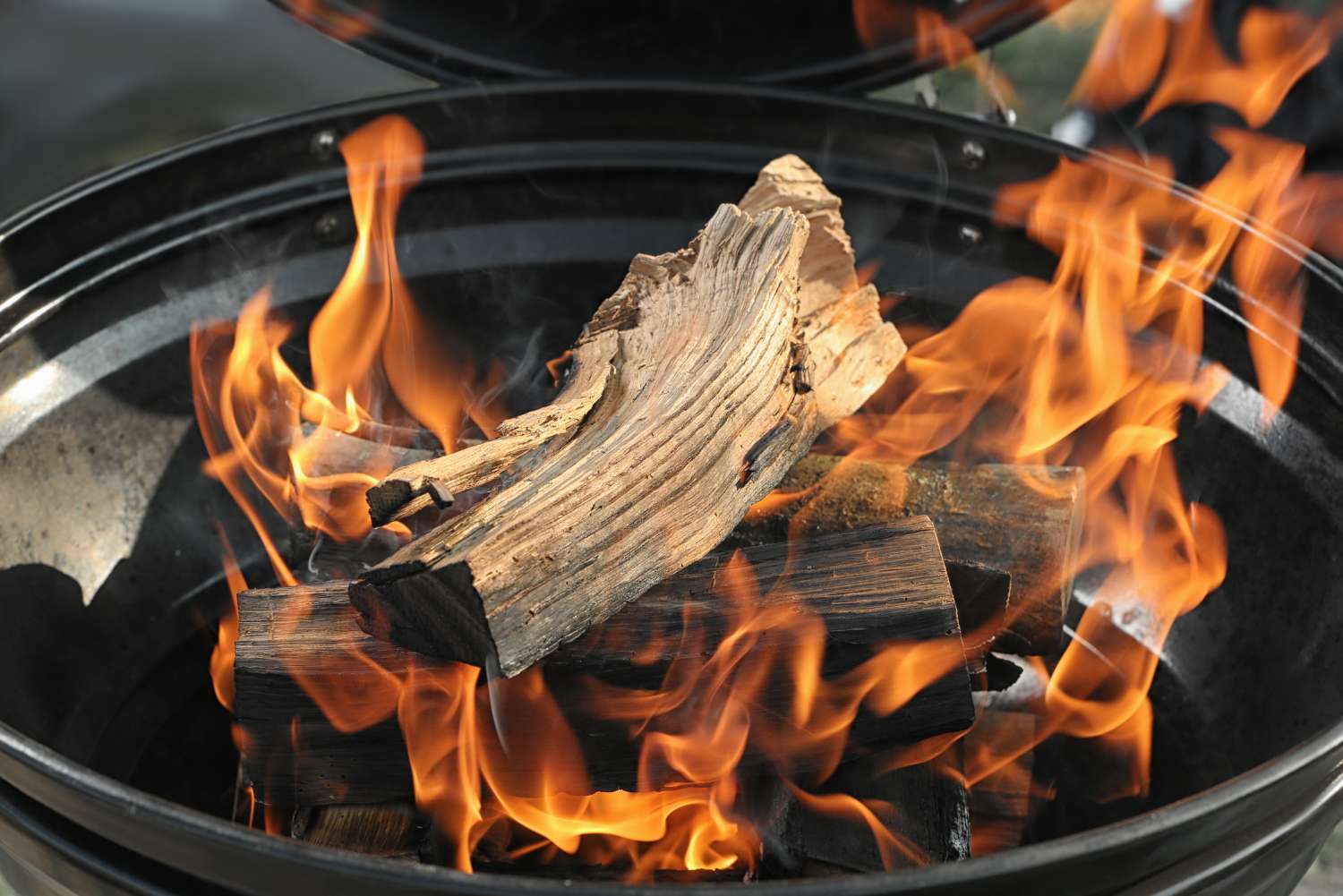
Clean smoke (blue-tinged, not thick white smoke) helps deliver flavour and bark without bitterness or soot.
Matching wood to your meat and cooking style
For quick cooks or lighter meats (chicken, fish, pork loin, ribs), choose fruitwoods (apple, cherry) or mild nutwoods — subtle smoke that complements without overpowering.
For medium roasts or mixed cooking loads, a balanced wood like pecan or a blend works well.
For heavy cuts and long low-and-slow smokes (brisket, shoulder, game, thick ribs, short ribs), opt for strong hardwoods like hickory or ironbark that provide sustained heat and robust smoke.
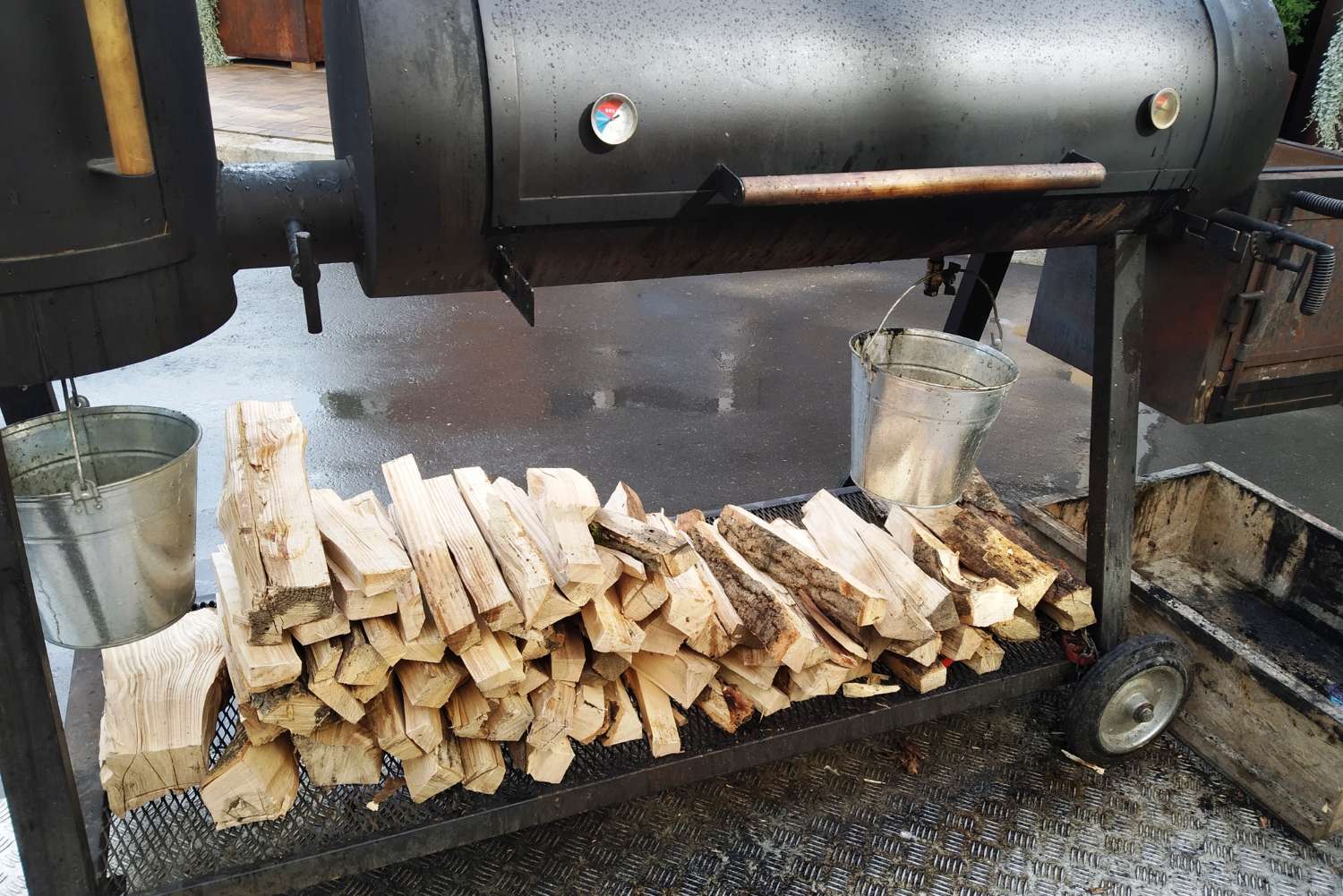
If you plan long cooking hours or overnight smokes, ensure wood is dry, seasoned and dense to maintain consistent burn and smoke flow.
Why Turn Left at Albuquerque’s wood range works for Aussie BBQ
This flexibility is especially valuable in Australia where imported guides often favour American woods (oak, mesquite, etc.) that may not always be easy to source or may not burn the same in different climates. By offering local or imported hardwoods accessible to Australian cooks, Turn Left at Albuquerque covers a wide range of preferences and cooking environments.