


When do you know you need to upgrade your BBQ?
That’s the cook that changes everything. Not the catastrophic disaster, but the one where your cheap equipment quietly reveals it’s been lying to you all along.
When short cooks hide the truth
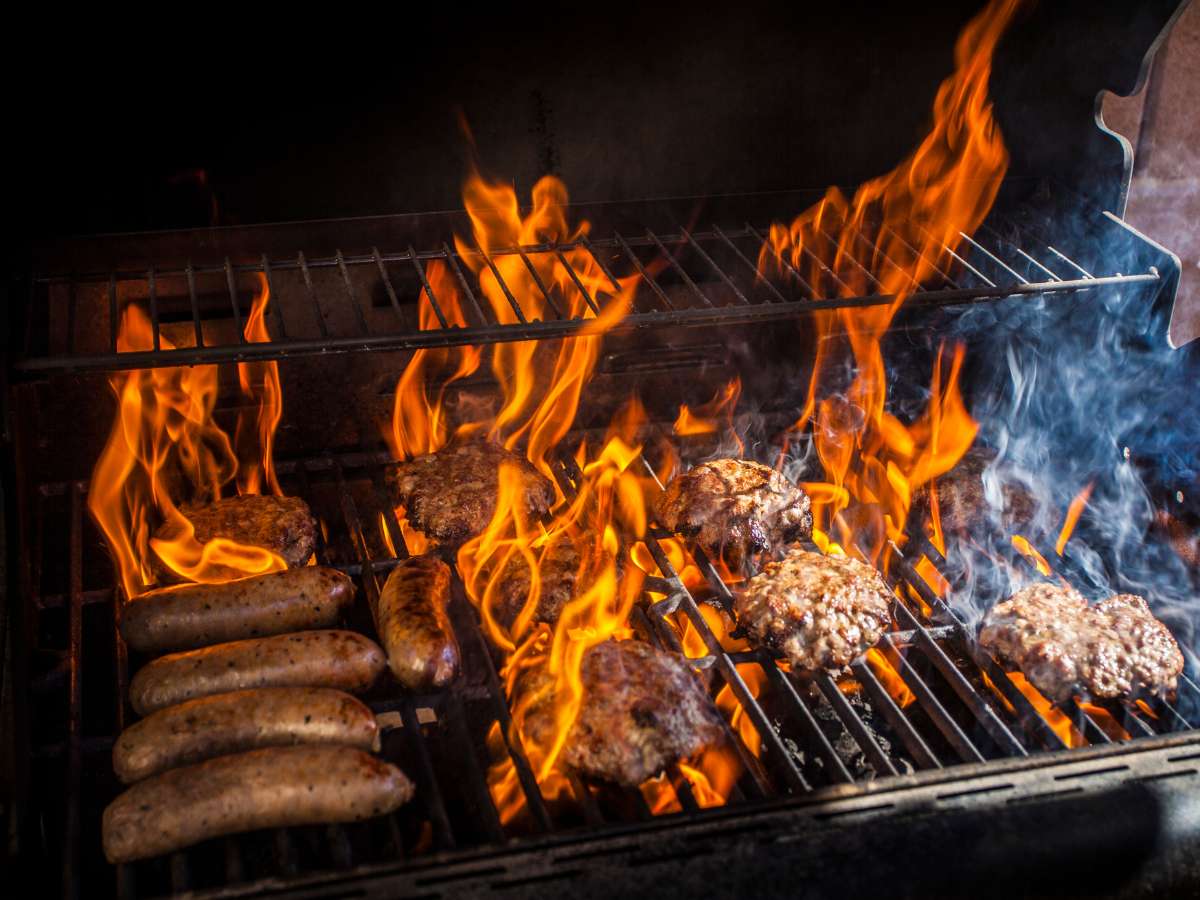
Here’s what nobody tells you about BBQ: everything works fine until it doesn’t. Sausages in fifteen minutes? Your battered BBQ is a champion. Steaks in eight? Flawless. Even a whole chicken gives you enough margin for error that you’ll never notice your temperature control is essentially theoretical.
Then you attempt something that needs actual heat management over actual time, and suddenly every shortcut you took when buying equipment comes back to haunt you.
The fire that seemed fine for forty minutes can’t hold steady for four hours. The thermometer that was “close enough” turns out to be 50 degrees optimistic. The thin steel that made the smoker affordable also makes it about as effective at retaining heat as a colander. And that clever little offset firebox? It’s feeding smoke directly onto your meat while simultaneously letting all your heat escape into the atmosphere.
You discover all of this simultaneously, usually around hour three, when you’re already too committed to quit but not confident enough to relax. It’s barbecue purgatory.
The predictable unravelling
The charcoal disappears faster than physics should allow. You started with what looked like a generous pile. Two hours later you’re adding more, disturbing the heat you’d carefully built up, watching the temperature drop and then spike as the new coals catch. By hour five you’ve burned through three times what you budgeted for, and you’re starting to suspect your BBQ is less a cooking device and more an expensive charcoal disposal system.
The temperature becomes a game you can’t win. Add fuel: spike. Open lid: crash. Leave it alone: drift. You wanted that magical 107-degree plateau everyone talks about. What you’re getting is a line graph that looks like the Alps. Your meat is being cooked via temperature averaging, which is not a technique anyone recommends.
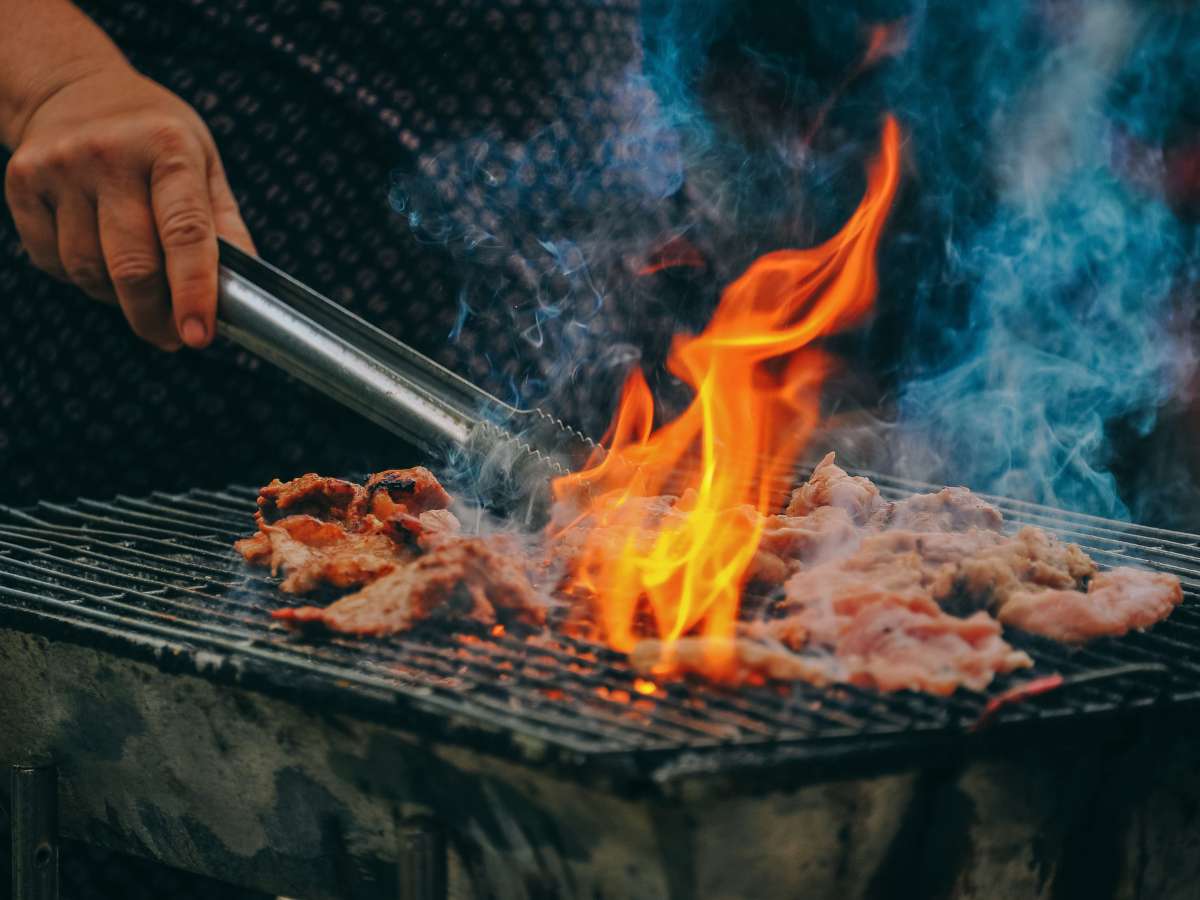
And the smoke. Oh, the smoke. Early on there’s thick white plumes that you know isn’t ideal but have no idea how to fix. Later there’s barely a whisper, and you can’t tell if that’s fine or evidence of complete combustion failure. You wanted that thin blue smoke that makes brisket taste like a Texas fever dream. What you’re producing is either a bushfire warning or nothing at all.
By hour four, you’re not cooking anymore. You’re firefighting. And the meat’s just there, absorbing your stress.
The research spiral begins
Then you start noticing things. Your mate’s offset smoker has thicker walls. That food blogger never mentions temperature swings. The BBQ forum keeps mentioning “gasket mods” and “baffle plates,” and suddenly you’re learning engineering concepts to understand why your hobby became so difficult.
You learn that 2mm steel loses heat at roughly the same rate you lose optimism. That cheap briquettes are 40 percent filler that chokes your fire. That the built-in thermometer measures the hottest spot in the chamber, which is almost never where your meat sits.
This knowledge clarifies what needs to change.
The upgrade path
These aren’t aspirational purchases. They’re practical solutions to problems you now understand at a cellular level.
For others, the cook makes clear the BBQ itself is the issue. The thin walls. The poor seals. The design that prioritises looking like a smoker over functioning as one.
You’re not browsing anymore. You’re hunting. You want a kamado that holds 107 degrees for eight hours without intervention. An offset with thick steel. A pellet grill that manages temperature automatically.
The price tags that seemed absurd now seem reasonable. Because you’ve learnt that cheap equipment doesn’t save money. It just converts it into frustration and wasted Sundays.
What BBQ shop staff recognise
These aren’t people browsing. They’re people who’ve done the difficult cook and are solving for specific variables. The conversation is different. They don’t care about colour options. They want to know if it’ll hold temperature in wind. If it’ll get through a pork shoulder without constant attention.
They’re not buying potential. They’re buying reprieve. And they’re willing to pay for it.
The cook that teaches you everything
Before that cook, BBQ seemed straightforward. Light fire, add meat, wait. After it, you understand that long cooks are a negotiation between fuel, airflow, insulation, and time. And that your equipment is either helping with that negotiation or making it impossible.
The next long cook goes differently. Smoother. Not because you’ve suddenly acquired skills, but because you’ve removed the variables that were fighting you. The fire holds steady. The temperature stays where you set it. You’re sitting with your friends instead of crouched beside the firebox, and the meat comes out the way it’s supposed to rather than the way you managed to salvage it.
That’s what the difficult cook teaches you. Not that you’re a bad cook, but that you were trying to compensate for bad equipment. And once you stop compensating and start working with tools that function as intended, everything else becomes remarkably straightforward.
Which is what you wanted all along.