
Has BBQing Fallen off the Bone?
The great barbecue misunderstanding
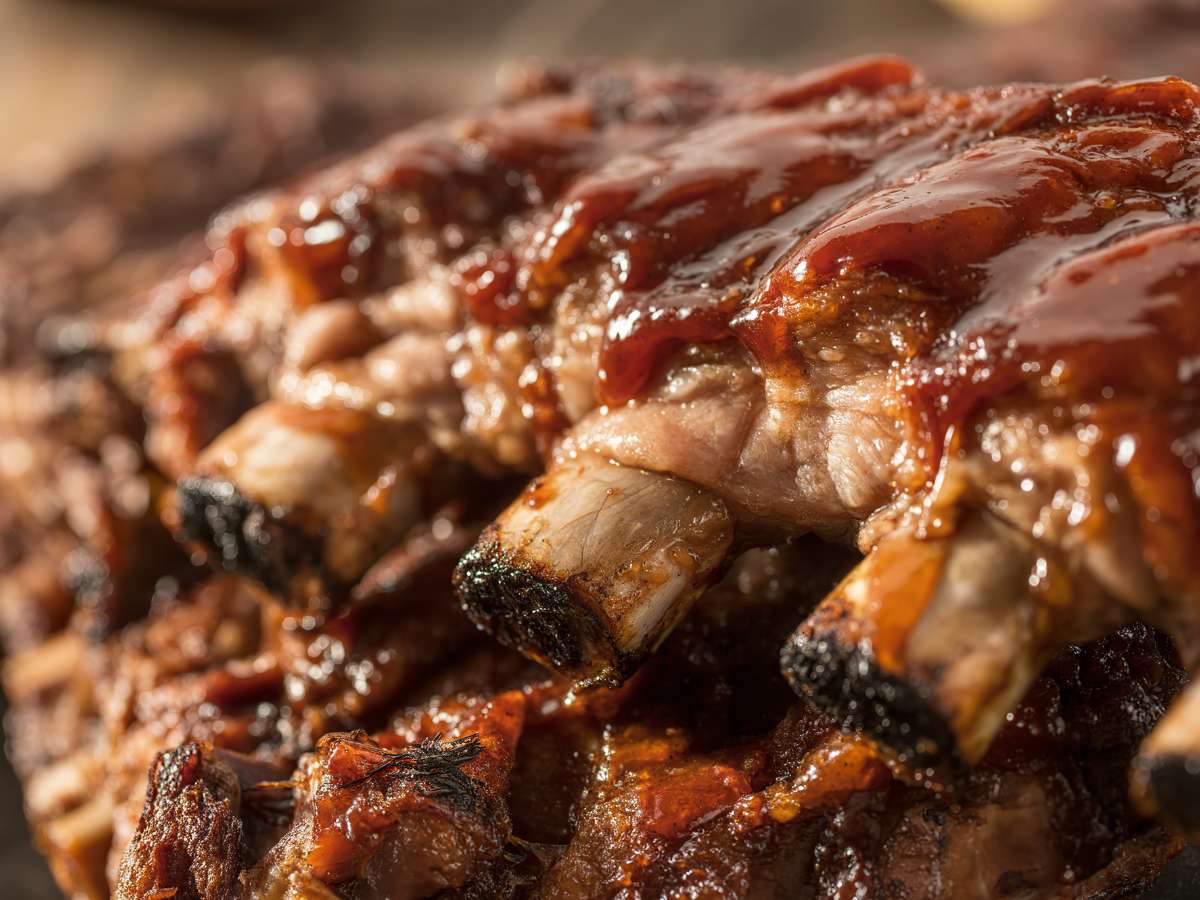
Somewhere between backyard cooking shows and social media posts, Australian barbecue culture absorbed an idea that does not quite hold up under scrutiny. The more dramatically meat separates from bone, the better the cook must be.
It makes intuitive sense. Tenderness is good. More tenderness must be better. And the most tender possible outcome would be meat that requires no effort at all to remove.
Except that is not how meat science works.
A butcher who has handled thousands of cuts learns to read texture the way a vintner reads a vintage. There is a sweet spot where collagen has broken down enough to make meat tender, but not so much that structure and moisture have fled. Finding that point separates competent cooking from genuine skill.
The problem is that the sweet spot does not photograph as well as complete collapse. It does not generate the same gasps when you lift a rack off the grill. It requires explanation rather than simply showing up.
So the less accurate version won.
What happens inside the meat
What proper tenderness actually feels like
Signs you got it right:
Signs you went too far:
How Australia caught the bug
The temperature and time puzzle
Getting barbecue right involves hitting specific targets that vary by cut:
| Meat | Target temp | Approximate time | What to look for |
|---|---|---|---|
| Pork ribs | 88–95°C | 5–6 hours | Meat pulls cleanly but holds shape |
| Beef brisket | 90–96°C | 10–14 hours | Probe slides in like warm butter |
| Pork shoulder | 90–96°C | 12–16 hours | Pulls apart with forks, not fingers |
| Beef short ribs | 93–96°C | 6–8 hours | Bark holds, meat yields with gentle tug |
These numbers represent guidelines rather than gospel. Individual cuts vary based on size, fat content, starting temperature and even the animal’s age and diet.
Someone with forty years of butchering experience can often predict how a specific piece will cook just by handling it. The amount of marbling. The firmness of the connective tissue. The colour and moisture content of the raw meat.
This kind of knowledge does not transfer easily to written instructions or television segments. It accumulates slowly through repetition and attention.
Why the phrase persists anyway
The cost of chasing collapse
A more useful vocabulary
What changes when expectations shift
Letting go of fall-off-the-bone as the ultimate benchmark does not make barbecue harder to judge. It makes the conversation more precise and more interesting.
Balance matters more than softness. Structure matters as much as tenderness. Moisture retention matters more than initial juiciness. These concepts compete well against something as vivid as collapse once you understand what they mean.
The goal shifts from proving something to anyone scrolling past social media, to creating something that eats well from the first bite to the last. From theatre to genuine quality.
For someone who has spent a career helping people understand meat, this shift represents a more honest relationship with food. It asks cooks to pay attention rather than follow formulas. It rewards experience and observation over blind adherence to dramatic outcomes.
The backyard advantage
Home cooks actually have certain advantages over competition teams. They are not cooking for judges who take two bites and move on. They are not trying to make flavours pop instantly at maximum intensity.
They can cook for balance and subtlety. They can aim for meat that eats well through an entire meal rather than delivering maximum impact in a small sample. They can develop their palates over dozens of attempts without worrying about scores or trophies.
The challenge is developing the judgment to recognise when meat has reached its peak. This comes partly from understanding the science. But it comes mostly from paying close attention across many attempts.
A butcher who has watched thousands of customers work through this learning curve would tell you that the ones who succeed share certain traits. They ask questions. They adjust based on results rather than stubbornly following instructions. They develop their own sense of what good means rather than accepting someone else’s definition.
And they eventually stop asking for fall-off-the-bone anything.