
Turn Left Albuquerque

Cooking with binchotan at home in Australia 

Australian cooks have broadened their fuel choices in recent years.
Lump charcoal and briquettes still dominate weekend barbecues, but a growing number of people have turned to binchotan. Once used almost exclusively in Japanese restaurants, it has become a serious option for home cooks who want steady heat, clean flavour and long burns. Its rise reflects a shift toward more precise outdoor cooking.

Binchotan behaves differently from standard charcoal. It burns longer, produces less smoke and creates a stable heat zone that suits quick, high quality cooking. Those who use it often describe a more controlled session at the grill. The food becomes the focus rather than the fire. These qualities have helped it find a place in Australian backyards, especially among those who cook seafood, skewers and vegetables regularly.
BBQ Maintenance
Inspect Your Smoker

What is binchotan?

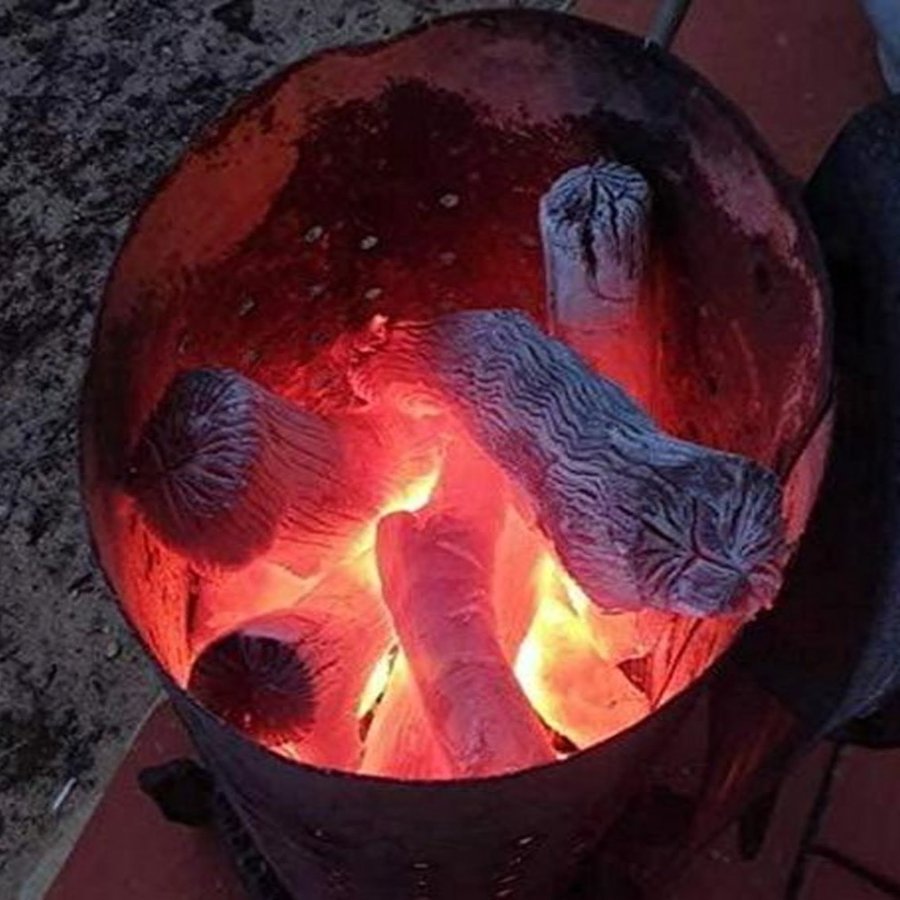
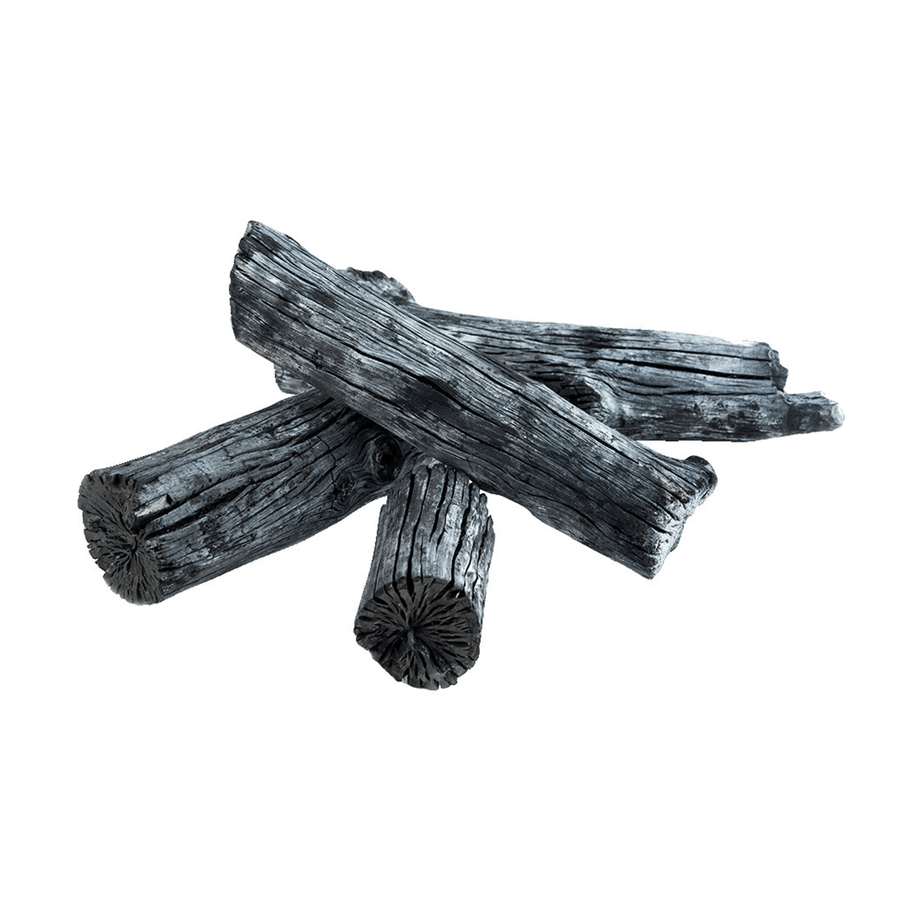
Binchotan is a type of white charcoal made by carbonising hardwood at very high temperatures, then finishing it in a way that gives the exterior a pale, ceramic like coating. The process creates a dense charcoal that burns hotter and more consistently than most lump charcoals.

Key characteristics:

Large, dense pieces
Long burn time
Very low smoke output
Neutral flavour profile
Even heat across the grill

Why does binchotan work in Australian backyards?

Australia’s interest in specific cooking fuels has grown rapidly. People who have seen binchotan used in yakitori bars, open kitchens or food documentaries often want to explore the same style at home. The appeal is practical rather than novelty driven.

Australians value binchotan because it offers:

Low smoke cooking for suburban neighbourhoods
Reliable heat for grills on courtyards and patios
A clean flavour profile that suits lighter dishes
Less frequent topping up during longer cooks
A more predictable cooking surface for delicate foods

How does binchotan behave on the grill?

Binchotan is slower to ignite but very stable once hot. Instead of the sharp spikes or dips common in softer charcoals, it settles into a consistent temperature that is easy to work with.

Expect the following on a typical Australian grill:

Minimal flare ups
Even heat across the charcoal bed

Low ash production

A stronger searing zone than standard charcoal

Longer usable heat that reduces interruptions during cooking
Elevate Your BBQ Game with These Essential Pellet Smoker Tips

How do you light binchotan safely at home?

Lighting binchotan requires patience. The charcoal is dense, and the heat needs time to penetrate the core of each piece. The most reliable approach is to use a chimney starter with quality fire starters.

Suggested method:

1. Place fire starters at the base of the chimney.

2. Add a small layer of binchotan on top.

3. Allow the first pieces to ignite before filling the chimney.

4. Wait until the charcoal glows red from inside.

5. Pour into the grill once the heat is stable.

Additional tips that suit Australian setups:

Keep the grill hood open during ignition for ventilation.

Avoid using lighter fluids.

Use heat resistant gloves when handling the chimney.
Allow extra time on cooler days or in coastal humidity.

What should you cook on binchotan in Australia?

Binchotan lends itself to direct grilling and fast cooking. Its clean heat and consistency make it ideal for foods that benefit from high heat without smoke interference.

Popular choices among Australian home cooks:

Chicken thigh skewers
Prawns, scallops and small fillets of fish
Lamb cutlets
Thin beef steaks or sliced steak for sharing plates

Broccolini, mushrooms, asparagus and corn

Tofu, eggplant and other vegetables that caramelise quickly

How do you choose the right binchotan?

The Australian market includes both genuine binchotan and white charcoal that follows a similar production style. Performance varies between products, but all high quality versions share the same strengths of long burn time and clean heat.

Turn Left at Albuquerque currently stocks:

What are the best ways to handle and store binchotan?

Because binchotan burns slowly and cleanly, the remaining pieces can often be reused.

Helpful practices for Australian conditions:

Extinguish by closing vents rather than dunking in water
Store cooled pieces in a dry, sealed container
Keep charcoal off damp surfaces to prevent moisture absorption
Break large pieces only when necessary

Use smaller pieces for shorter cooks and larger pieces for extended sessions
Elevate Your BBQ Game with These Essential Pellet Smoker Tips

How does binchotan fit into Australian cooking today?

Binchotan has become another option in the broader charcoal landscape. It has joined hardwood lump charcoal and briquettes rather than replacing them. Many Australians use lump charcoal for low and slow sessions and bring out binchotan when they want clean heat or more control.

Its rise reflects a shift in how Australians think about outdoor cooking. People are paying closer attention to ingredients, fuels and techniques. Binchotan supports that approach with a steady heat source that helps cooks focus on the food itself. It offers reliability without fuss and suits the wide range of dishes Australians prepare outdoors.

Search
×
×
Your Cart
Cart is empty.
Fill your cart with amazing items
Shop Now
$0.00
Shipping & taxes may be re-calculated at checkout
$0.00