


Pork Shoulder and Pulled Pork Smoking Guide for Tender, Juicy Results
Choosing the shoulder
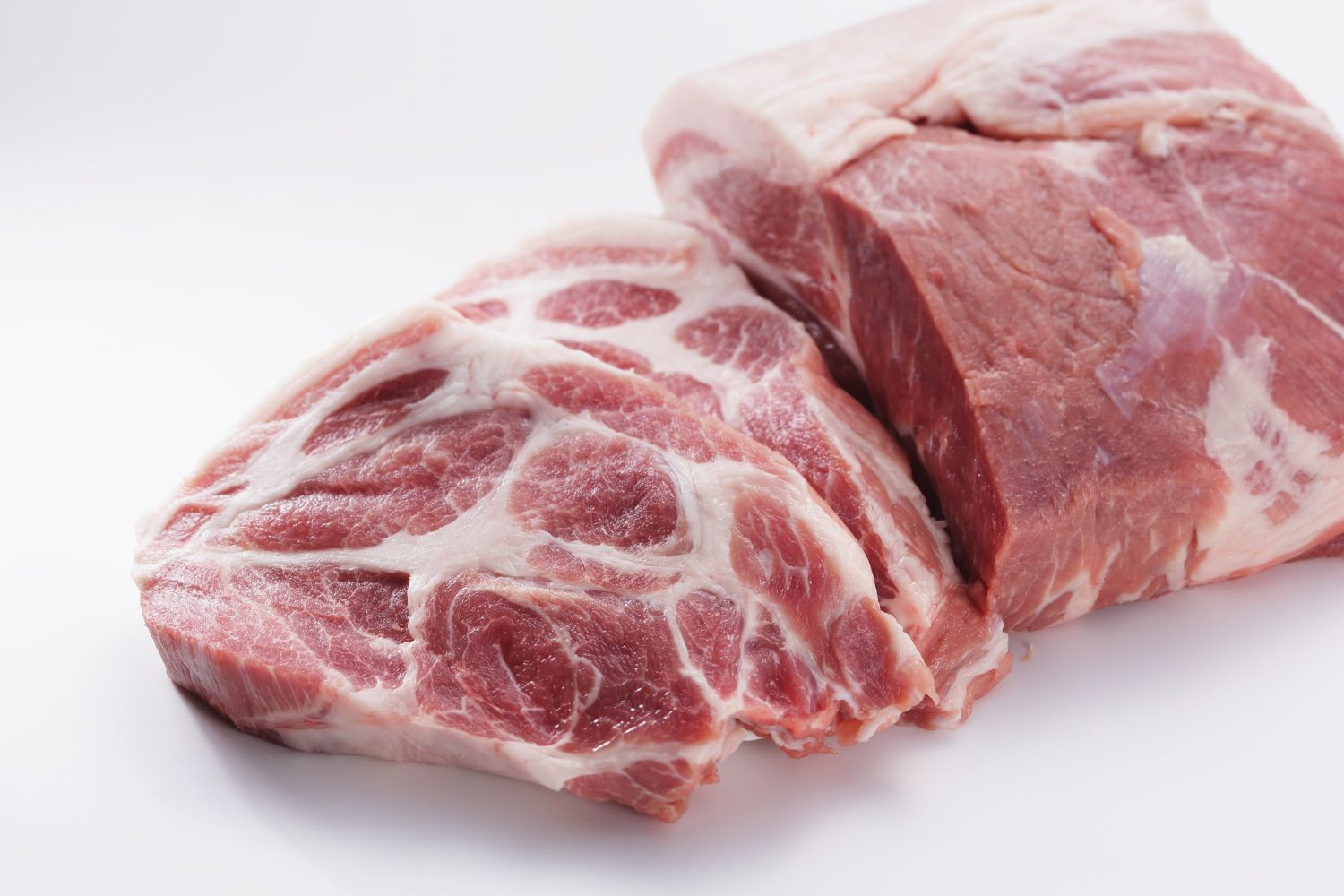
Trim with purpose. Remove loose flaps and thin the fat cap to an even depth so rub sticks and the surface renders rather than pooling. Keep edges tidy so they do not burn while the centre climbs through the stall.
Rubs that build bark
Turn Left @ Albuquerque stocks rubs that have proven themselves on pork. Choose one, or layer a sweeter base with a spicier finish if that fits your taste.
Fuel choices and smoke profile
A balanced setup uses a consistent base fuel and a controlled amount of smoking wood. Small, regular additions keep smoke thin and blue, which tastes clean on the plate.

Set up the smoker and stabilise heat
Match your thermometer to the job. A pit probe at grate level tells you the real cooking environment. A meat probe in the thickest part of the shoulder shows progress so you are not guessing.
Time and temperature guidelines
The table below provides a practical range for common setups. Use it as a framework, then let texture be your referee at the end.
| Smoker type | Typical pit temp | Wrap window | Finish window | Notes |
| Pellet | 120 to 135 °C | 70 to 77 °C internal | 93 to 98 °C internal | Light smoke, very steady. Add pellets with apple or cherry for colour. |
| Offset | 120 to 135 °C | 70 to 77 °C internal | 93 to 98 °C internal | Stronger smoke. Watch wind and add splits small and often. |
| Kamado | 110 to 120 °C | 68 to 75 °C internal | 92 to 96 °C internal | Holds heat well. Small vent changes work best. |
| Drum | 120 to 135 °C | 70 to 77 °C internal | 93 to 98 °C internal | Clean burn and fast recovery after lid lifts. |
Understanding the stall
Use paper for a breathable wrap that preserves bark texture, or foil for a faster push to the finish. Add a small splash of apple juice or low sodium stock if you prefer, but avoid heavy liquid that softens bark too much.
Probe like a pro
If you hit a bone or a seam of fat, move the probe and test again. Rushing here is how pulled pork becomes chopped pork. A few extra minutes now pays off when you start shredding.
Resting and holding without drying out
Keep the wrap loose enough that steam does not turn the bark soggy. If the exterior softens more than you like, return the shoulder to the smoker unwrapped for a short set before shredding.
Shredding and seasoning to finish
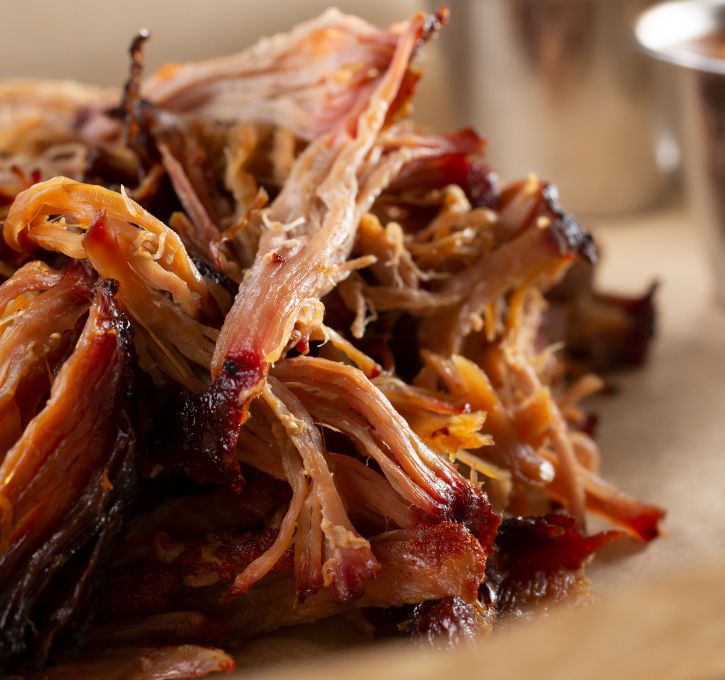
Pulling is easier when you respect the grain. Start by removing the blade bone and any large pockets of unrendered fat. Shred into long strands with gloved hands or bear claws, then chop lightly if you prefer shorter pieces for sandwiches and sliders.
Taste before you reach for sauce. Often you only need a light sprinkle of the original rub or a dash of apple cider vinegar to brighten rich meat. Keep sauce on the side so guests can choose their level.
Common mistakes and how to avoid them
Small changes make a large difference. Give the smoker time to stabilise, check placement and trust the process.
Gear and supplies that make pork shoulder easier
Turn Left @ Albuquerque stocks everything listed here, so you can build a set that works for your backyard without guesswork.
Serving ideas that respect the cook
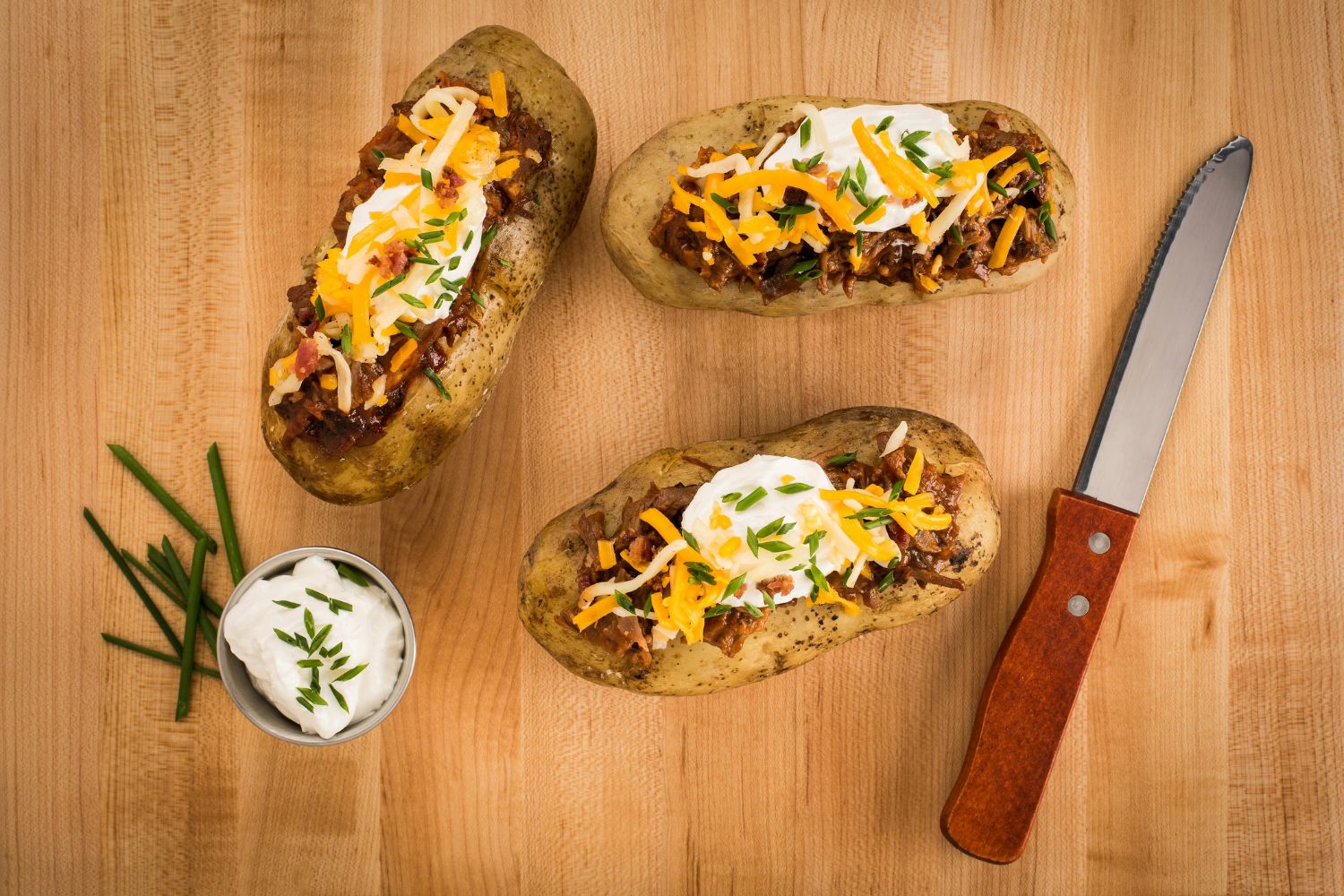
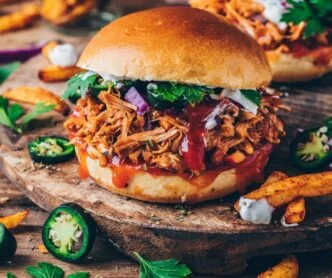
Plan ahead so the table comes together when the shoulder is ready. Warm buns, a crisp slaw and something sharp on the side make every plate better.
Want to continue your pork smoking journey?
If you want a deeper step by step, visit the BBQ Techniques section and read the pork shoulder guidance you have already seen in store classes and demos. Pair that with product browsing to build your kit in one session and cook with confidence this weekend.
Explore Smoker BBQs for pellet, offset, kamado and drum models that suit Australian backyards
Browse Rubs for Pork to lock in a flavour direction that matches your crowd
Stock up on Smoking Woods so you can tune sweetness and depth across different cooks
Read BBQ Techniques for pork shoulder trimming, wrapping and resting tips at https://www.turnleftatalbuquerque.com.au/bbq-techniques/