


The Moment People Stop Using BBQ Lighter Fluid
Ask people when it happened and most cannot say. They remember the first chimney starter. They remember a bag of charcoal that lit more evenly than expected. They remember the smell, and deciding they did not need it again.
Once that decision is made, it tends to hold.
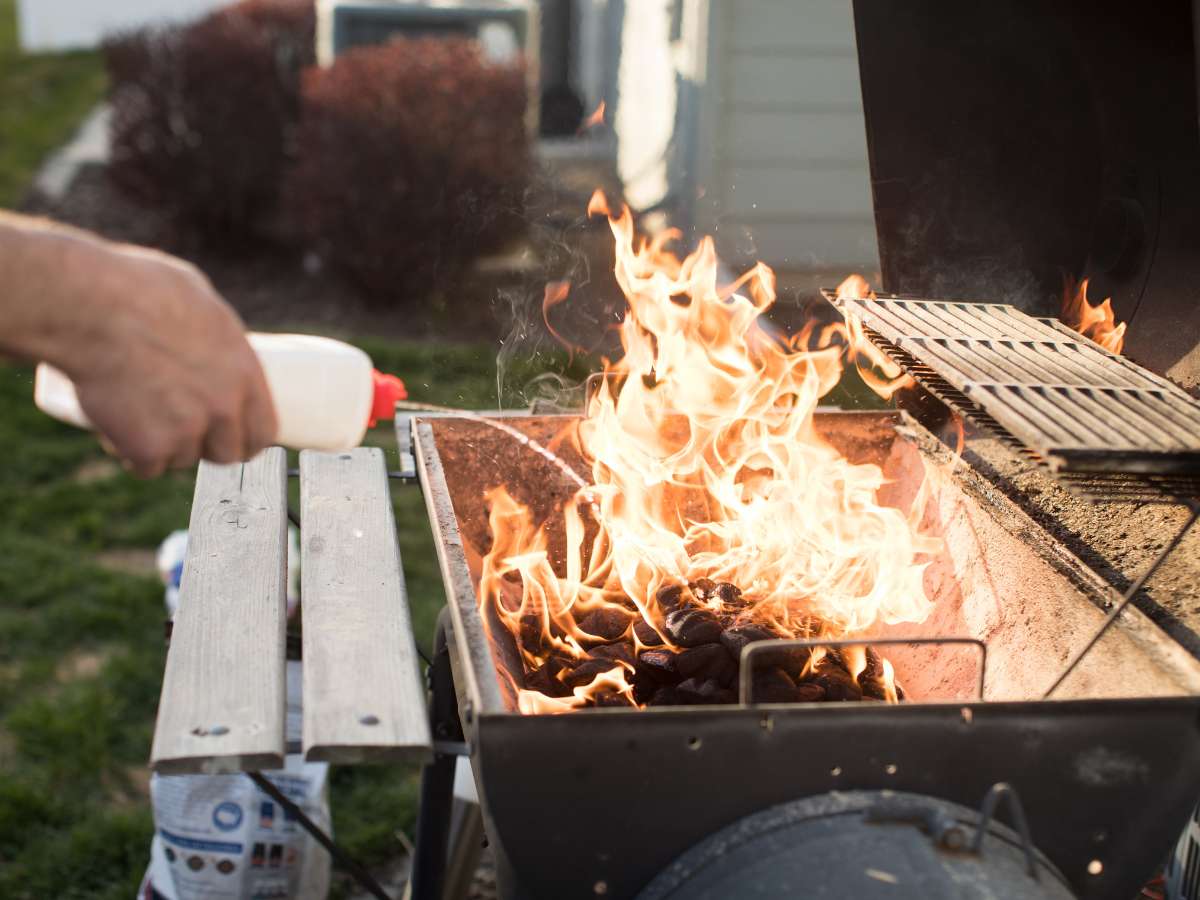
A shift driven by smell and control
As cooks spend more time around their barbecue, attention shifts. Smell becomes more noticeable. Timing starts to matter. People want to know when the fire is ready rather than forcing it to be ready immediately.
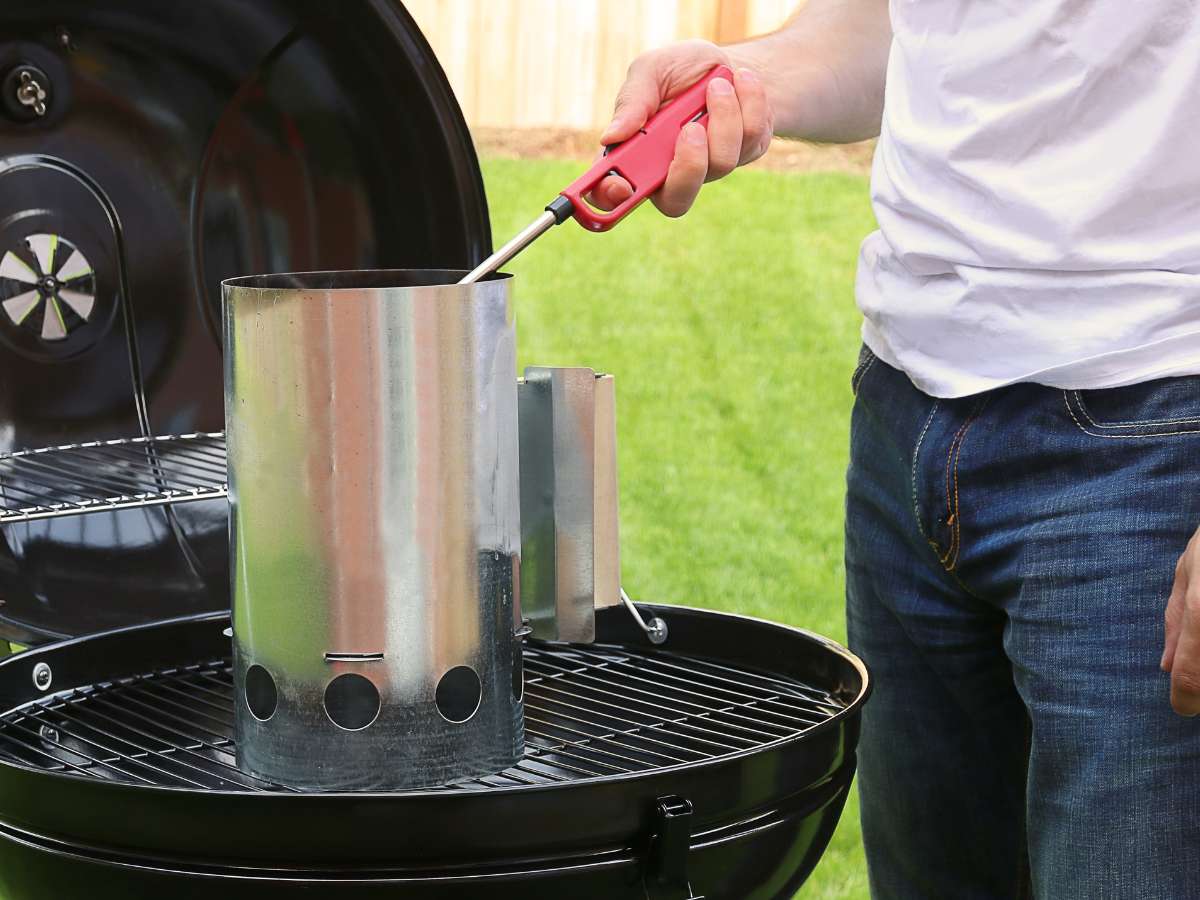
This is often when alternatives enter the picture. A chimney starter sitting beside the grill. Fire starters stacked near fuel. An ignition method that feels deliberate rather than rushed.
How ignition choices change over time
| Stage of cooking | Common ignition choice | What tends to matter most |
|---|---|---|
| Early backyard cooks | Lighter fluid | Speed and convenience |
| More regular cooks | Chimney starters | Even heat and predictability |
| Longer cooks and smokers | Natural fire starters and charcoal control | Clean burn and timing |
What replaces it, and why?
Common replacements include:
The difference it makes to the cook
Removing lighter fluid changes more than ignition. It alters the opening minutes of a cook, which often sets the tone for everything that follows.
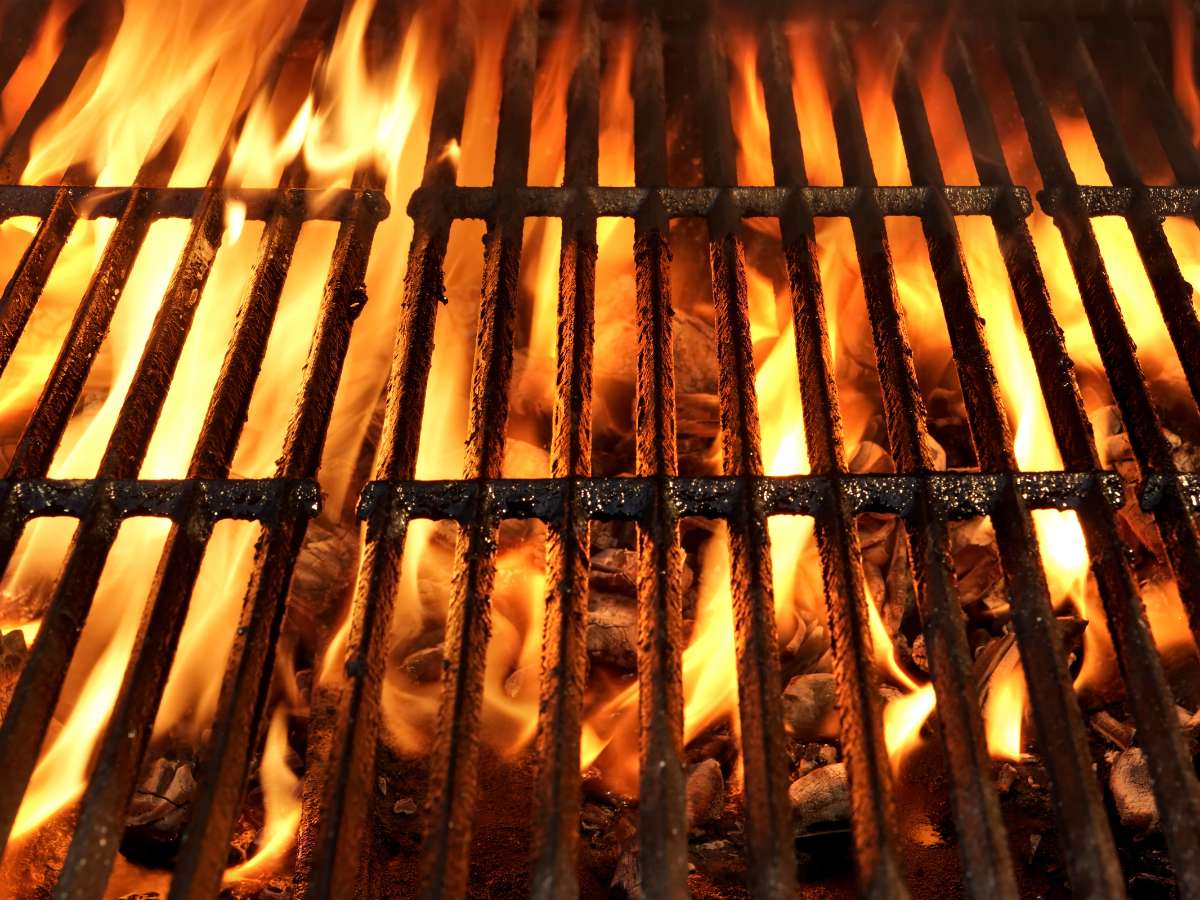
Fire feels steadier. Heat builds instead of spiking. The grill stops smelling like something that needs to burn off before food goes on.
This matters more the longer a cook runs. Smokers, in particular, expose shortcuts early. Clean fire becomes less of a preference and more of a baseline expectation.
A habit that does not need announcing
Unlike equipment upgrades, this shift rarely becomes a talking point. No one marks the last bottle used. It is absorbed into routine.
Once gone, lighter fluid tends to feel unnecessary. The alternatives are not framed as improvements. They are framed as normal.
That sense of normality is why the change lasts.
When starting the fire sets the pace
The absence of lighter fluid is often felt most in timing. Lighting the barbecue stops being something to get through and becomes part of the cook itself.
The extra minutes are rarely missed. For many cooks, they signal the beginning of the session rather than a delay before it.
By the time the fire is ready, the rest of the cook usually is too.