


Why everyone you know suddenly owns a smoker
The shift happened gradually, then all at once. First it was the Americans on YouTube, doing twelve-hour cooks and making it look meditative rather than masochistic. Then it was that one mate who got a smoker for his birthday and wouldn’t shut up about it. Then suddenly your local BBQ store had an entire wall of offset smokers, pellet grills, and kamado eggs where the three-burner gas grills used to be.
Walk into any decent barbecue shop in Melbourne now and you’ll see it. The gas grills are still there, pushed to the sides, but they’re not where people are lingering. Everyone’s gravitating toward the smokers, asking questions, touching lids, trying to work out if they’ve got room in the backyard for something that weighs 80 kilograms and takes up the space of a small shed.
The cooking slowed down
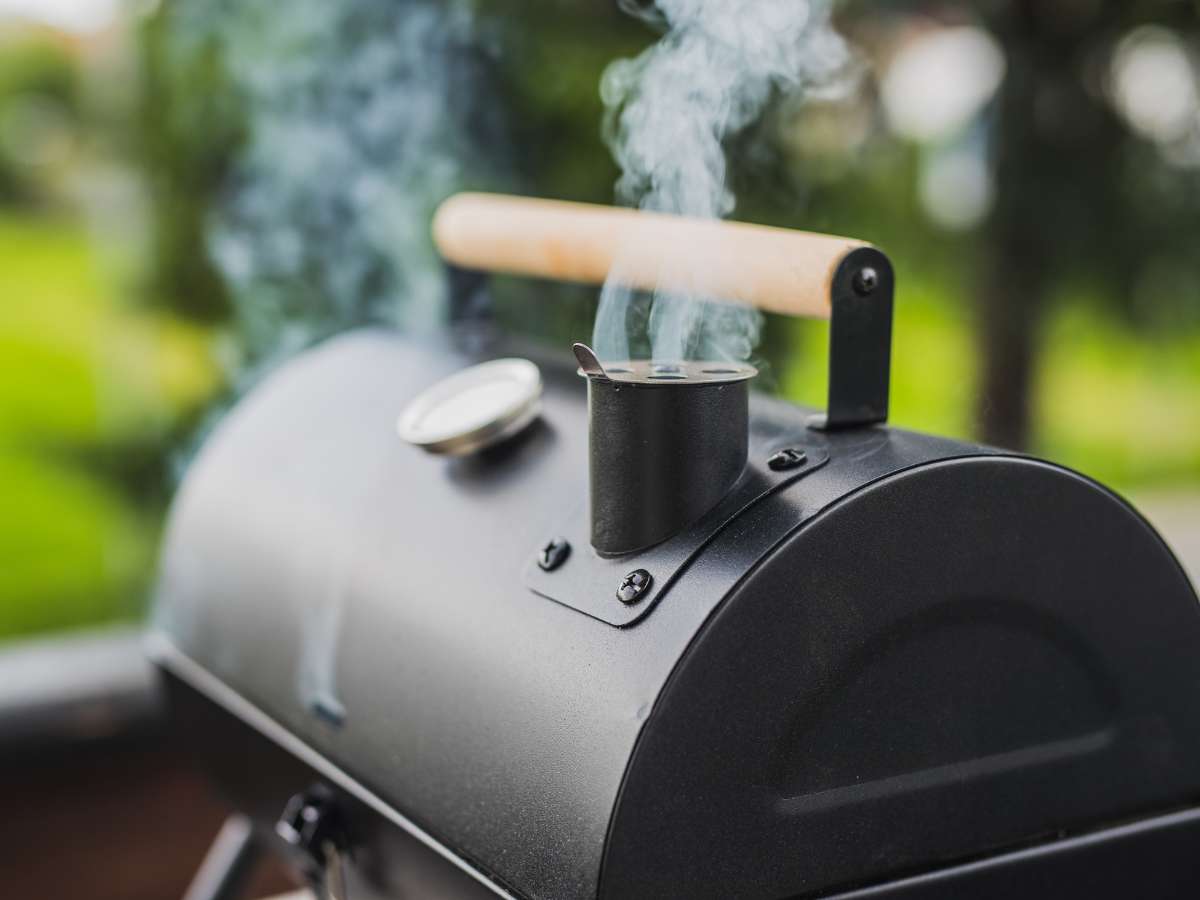
Somewhere in the past few years, weekend cooking stopped being about speed. The appeal of “dinner in 20 minutes” lost its grip. People wanted the opposite: cooking that took all afternoon, that required attention without demanding constant intervention, that filled the yard with smoke and gave them an excuse to stay outside for hours.
Smokers fit that mood perfectly. You can’t rush them. A pork shoulder takes ten hours minimum. Brisket needs twelve to fourteen if you’re doing it properly. Ribs want low and slow, and if you try to speed them up, everyone will know because they’ll taste rushed.
This is cooking as event rather than task. It’s something you plan around, not something you fit in between other obligations. And that appeals to people in a way that firing up the gas grill for sausages on a Tuesday never quite managed.
Shopping changes when the timeline does
When someone’s buying a gas grill, the transaction is straightforward. They want something that works, that fits their budget, that won’t fall apart after two summers. In and out in half an hour.
Smoker buyers take longer. They’re not in a hurry. They stand in front of displays, comparing fuel types, asking about insulation and airflow. They want to know how much charcoal it’ll burn through, whether pellets are worth the extra cost, if kamado-style ceramics really hold heat better than steel.
The questions aren’t rushed because the purchase isn’t routine. This is the start of something, not just a replacement for old equipment.
And that changes what else ends up in the basket.
What people buy alongside the smoker
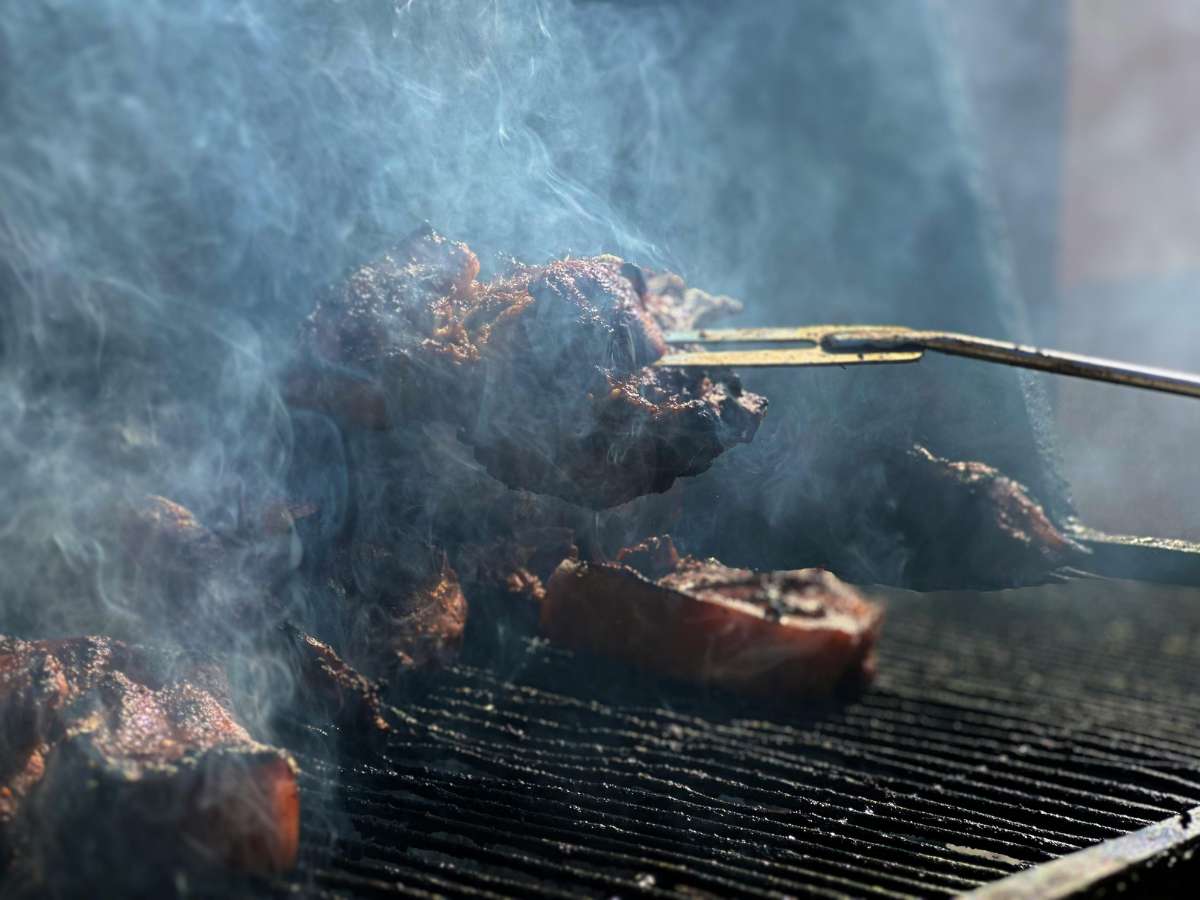
It’s the beginning of a system.
Fuel becomes part of the decision.
Most people walk out with at least two fuel types, hedging their bets until they work out what suits their style.
Thermometers stop being optional.
This isn’t perfectionism. It’s practicality. When you’re six hours into a brisket cook, you want to know if the temperature’s dropped without having to open the lid every twenty minutes.
Accessories get considered more carefully.
Rubs and sauces shift toward low and slow.
The pantry section of a BBQ shop looks different when you’re shopping for a smoker. Less variety, more focus. People buy larger quantities because they know they’ll use them.
The social element changed everything
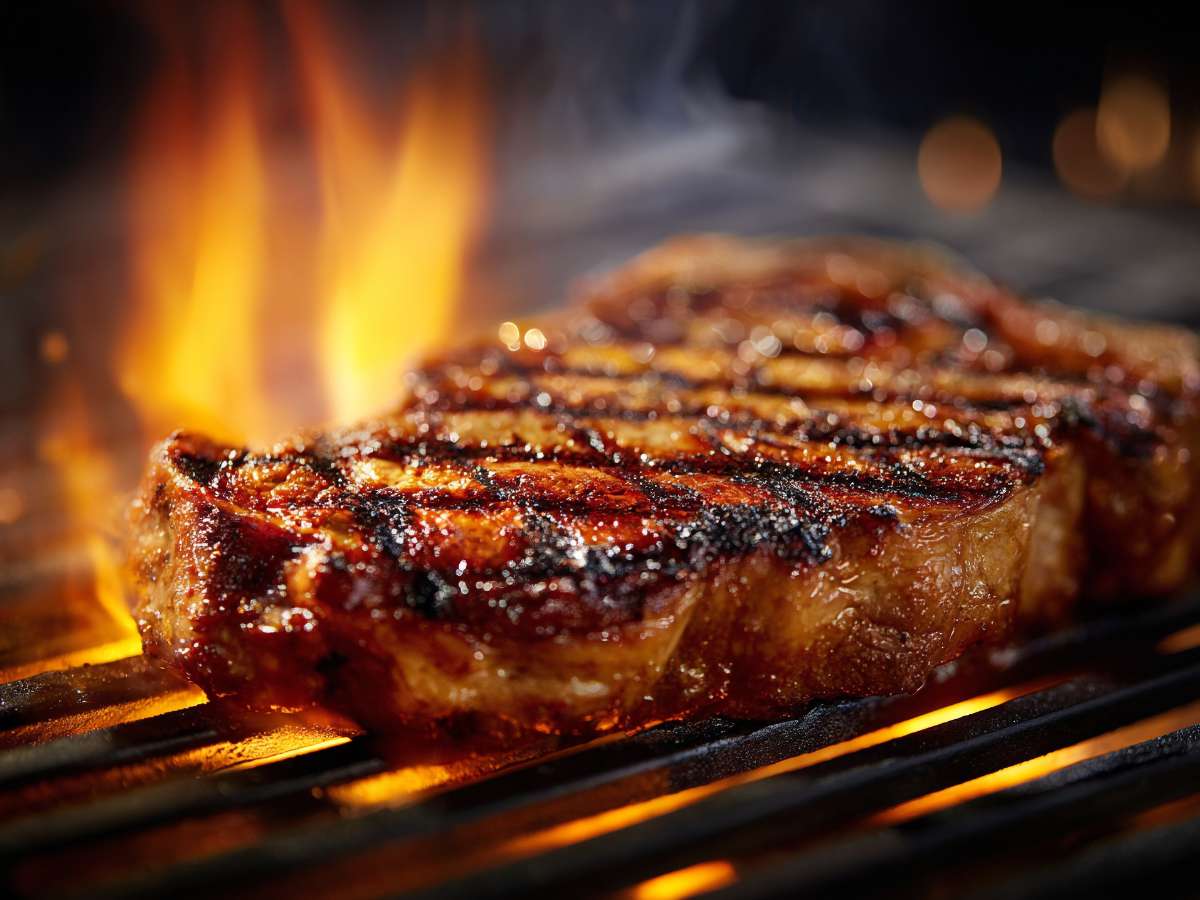
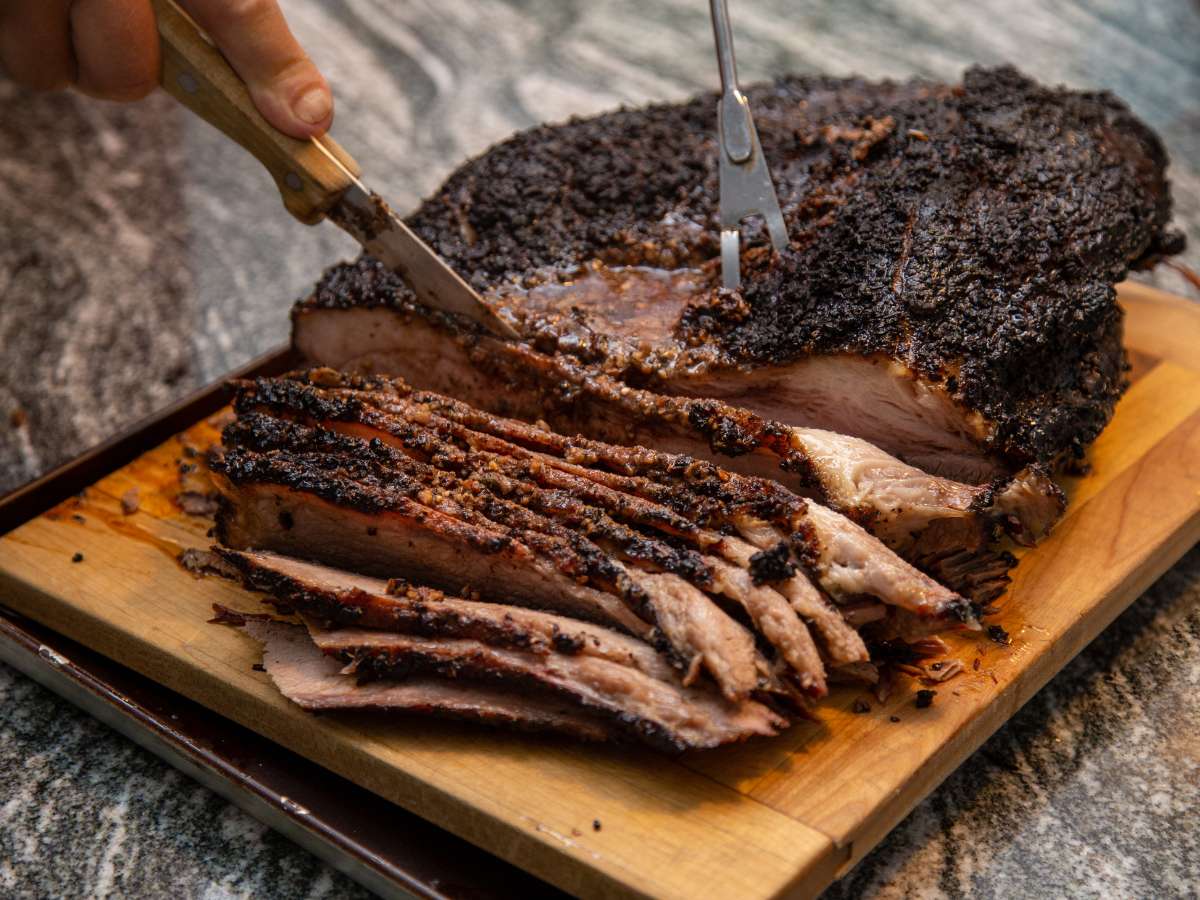
Instagram didn’t hurt either. A gas-grilled chicken breast isn’t photogenic. A brisket with a dark bark and a perfect smoke ring is. Ribs with the meat pulling back from the bone. Pulled pork that’s been cooking since dawn. These things look impressive in photos, and that visibility creates curiosity.
By the time someone walks into a store thinking about buying a smoker, they’ve usually seen multiple people do it successfully. They’ve watched the process, tasted the results, decided it’s achievable. The sale is half made before they arrive.
Melbourne’s backyard culture suits it
People spend money on pergolas, outdoor kitchens, pizza ovens, proper seating areas. A smoker fits that pattern. It’s substantial. Permanent. The kind of thing that becomes part of the yard rather than something you drag out of the shed when guests are coming.
And Melbourne’s food culture supports it. This is a city that cares about coffee and sourdough and farmers’ markets. The idea of spending twelve hours on a brisket doesn’t seem excessive here. It seems appropriate.
What shops have noticed
Gas grill purchases are transactional. Quick questions, straightforward answers, transaction complete. Smoker purchases involve longer discussions. People want to understand how it works before they buy it. They’re thinking about where it’ll sit in the yard, what they’ll cook first, whether they need to learn new techniques.
Some shops have started running smoker workshops. Not sales pitches, just practical sessions on temperature management and fuel selection. They fill up fast because people recognise they’re buying into a learning curve, not just purchasing equipment.
The accessories section has expanded too. Three years ago it was tongs, brushes, and the occasional meat thermometer. Now it’s dedicated shelving for different fuel types, multiple thermometer options, specialty tools for different smoker styles. The product range expanded because the customer base changed.
The first cook is always chaos
The learning curve is real. Smokers are more forgiving than people think, but they’re not foolproof. You need to understand how your specific smoker behaves, how weather affects it, how different fuels burn. That only comes from experience.
Most people do ribs first. They’re quicker than brisket, more forgiving than chicken, and impressive enough that if they turn out well, you look like you know what you’re doing. Pork shoulder is the other common starter: almost impossible to ruin, tastes excellent even if the process was messy.
The second cook usually goes better. By the third or fourth, people have worked out their smoker’s quirks and the whole process starts to feel manageable rather than precarious.
Why it’s not going away
Smokers seem different because they’re not solving a problem that didn’t exist. They’re not promising to make cooking faster or easier or healthier. They’re offering a different way to spend time, and that’s proving more durable than convenience ever was.
The people who buy smokers tend to keep using them. Not every weekend, necessarily, but often enough that the investment feels justified. They develop favourite recipes. They learn their equipment. They become the person in their circle who’s known for doing long cooks, and that identity sticks.
What this means for how people shop
That’s why good BBQ stores have shifted toward spending time with customers rather than processing them quickly. The margins on a smoker sale are decent, but the real value is in the fuel, accessories, and repeat purchases that follow. A customer who’s invested in smoking is a customer who’s coming back regularly.
It’s also why online sales haven’t dominated this category the way they have others. People want to see smokers in person. They want to lift the lid, check the build quality, understand how heavy it is and whether they can move it. Photos don’t convey that information reliably.
The ritual matters more than the meal
Obviously the food matters. Nobody’s spending twelve hours on a brisket if it tastes mediocre. But the appeal isn’t purely culinary. It’s about the process. The ritual of getting up early to start the fire. The steady rhythm of checking temperatures and adjusting vents. The smell of smoke that settles into your clothes and your hair and lingers for hours afterward.
It’s cooking as meditation, which sounds pretentious but accurately describes what people get out of it. There’s something satisfying about tending a fire all day, watching smoke curl out of a chimney, knowing that time and patience are doing the work rather than frantic multitasking.
This is why the smoker boom isn’t just a product trend. It’s a shift in how people want to spend their weekends. And that’s proven more durable than anyone expected.
What’s next
Some think it’ll settle into a steady state where smokers are simply part of the standard outdoor cooking setup, alongside gas grills and charcoal kettles. Others reckon we’re still early in the curve and the majority of backyards haven’t caught up yet.
Either way, the shift has already happened. Backyard cooking has slowed down, spread out, become less about convenience and more about commitment. The smoker didn’t create that change, but it fit it perfectly.
And that’s why your street is full of them now, and why the BBQ aisle looks completely different than it did three years ago.