


What “Low and Slow” Actually Means in Australian BBQ
But in Australian BBQ culture, “low and slow” does not mean what many people think it does. It is not a temperature range, a cooking schedule, or a promise that meat will fall apart on cue. It is a way of approaching fire, time, and expectation.
Understanding that difference is what separates competent cooking from genuinely good barbecue.
The Low and Slow Cooking Mindset
In practice, it is something you apply to the day itself.
Low and slow cooking assumes:
Low and slow often gets misunderstood as “set and forget” when it is anything but.
Why Australian conditions change the meaning
It happens:
In this context, low and slow is not about chasing consistency at all costs. It is about managing variability without fighting it.
Experienced cooks tend to focus less on holding everything steady and more on responding calmly when things change. They watch the fire. They adjust without panic. They accept that good barbecue often comes from restraint rather than precision.
That is a cultural difference, not a technical one.
The myth of “off the bone”
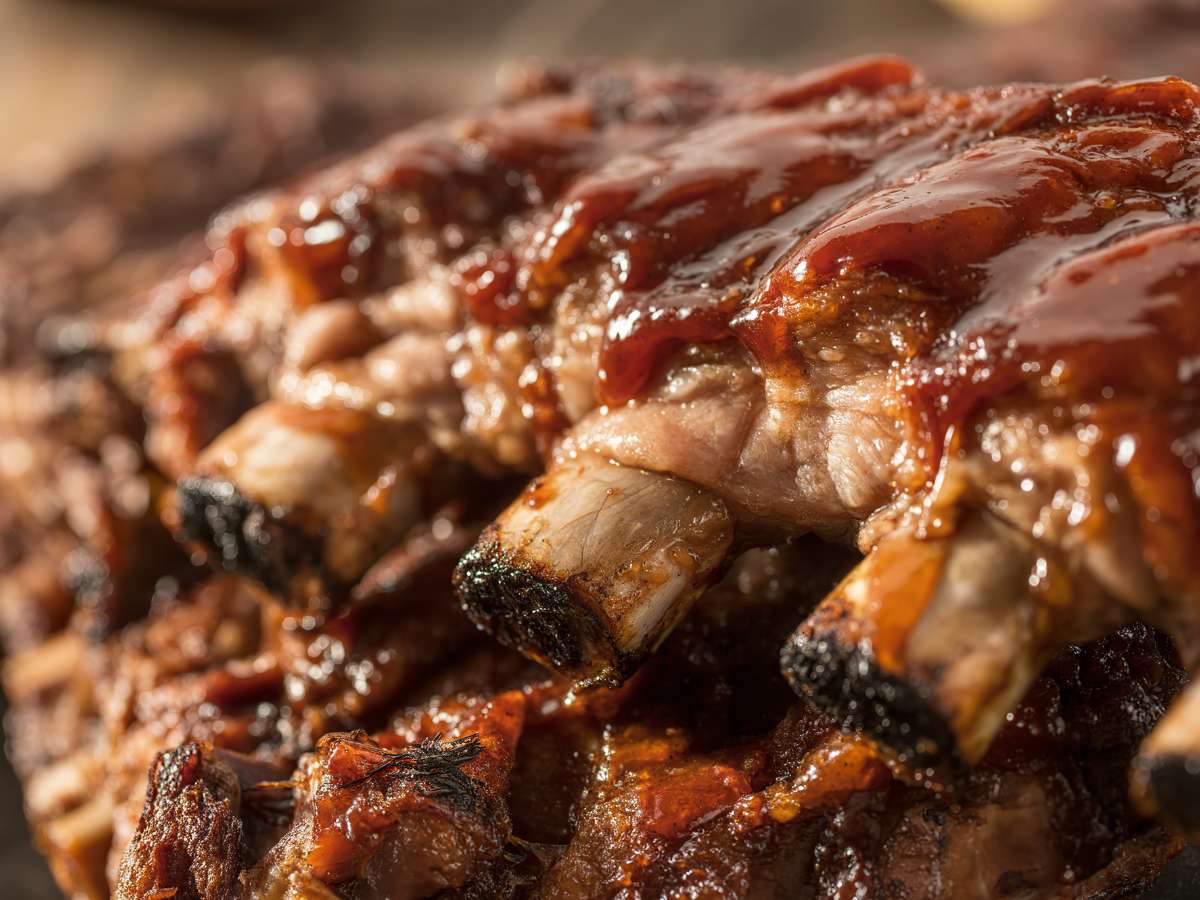
One of the most persistent misunderstandings tied to low and slow cooking is the idea that meat should fall apart easily or slide cleanly off the bone.
This expectation did not come from traditional barbecue. It came from:
repetition of the phrase without context
In practice, properly cooked low and slow barbecue is tender, but it still has structure. It yields when bitten. It pulls cleanly. It does not collapse.
In Australian backyards, chasing “off the bone” often leads to overcooking, because tenderness gets confused with softness.
Low and slow versus common assumptions
| What people expect | What low and slow actually delivers |
|---|---|
| Meat falling apart | Meat that holds together but yields |
| Set and forget cooking | Ongoing observation and adjustment |
| Precision and control | Patience and restraint |
| A guaranteed result | A gradual, layered outcome |
Time is part of the flavour
In low and slow barbecue, time behaves more like an ingredient.
It allows:
In Australian BBQ culture, where quick grilling is often the default, this can feel counterintuitive. Low and slow asks you to stay present even when progress feels invisible.
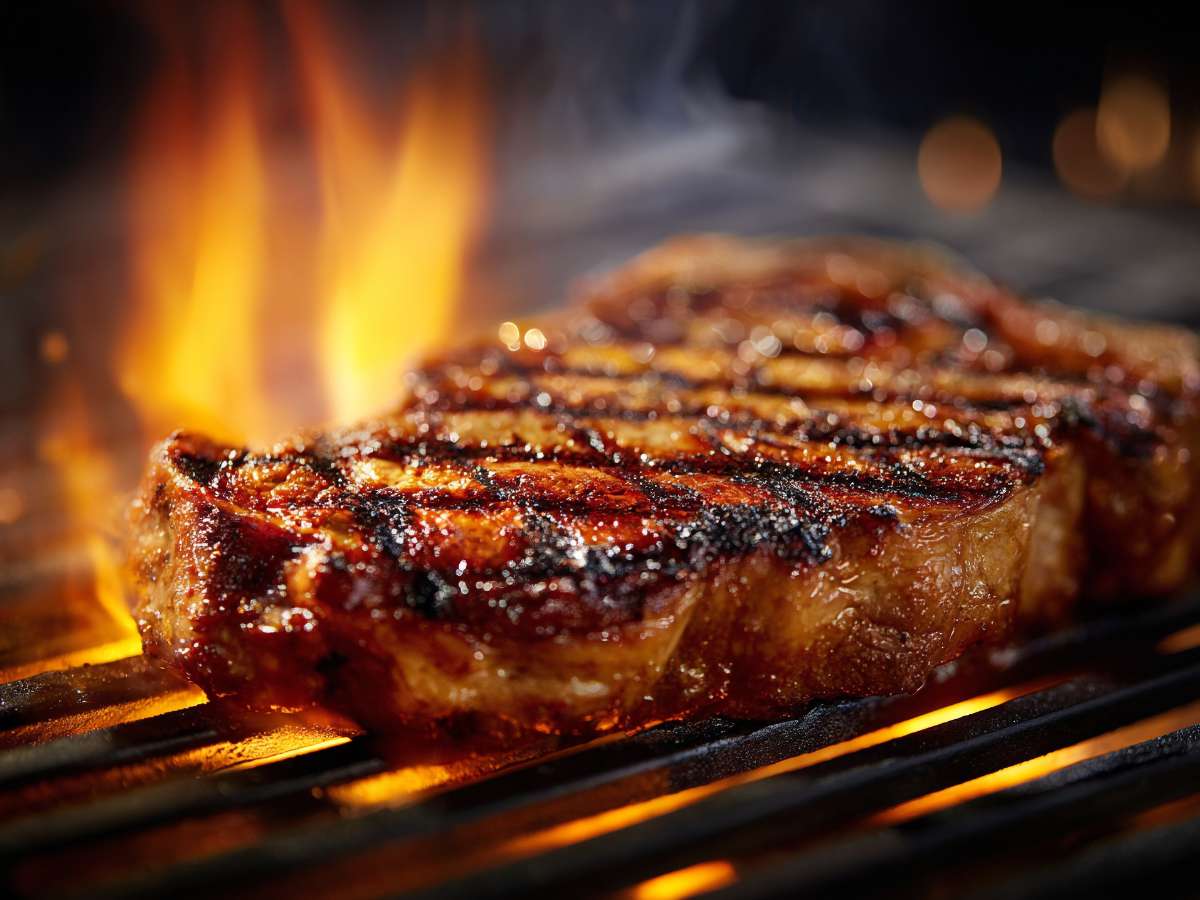
The moment nothing seems to happen
It is the point where the meat’s internal temperature appears to stop rising and can sit there for hours. The fire is still burning. The cook is still watching. But progress feels frozen.
This is not a mistake or a failure. It is a normal part of long, gentle cooking.
For many people, the stall is where confidence wobbles. It is tempting to increase heat, intervene too early, or change approach simply to feel like something is happening.
Experienced cooks learn to recognise the stall for what it is. A test of patience, not a signal to panic.
In Australian backyard barbecue, where cooking often unfolds alongside weather, conversation, and other plans, the stall is usually the moment where low and slow reveals what it really demands. The willingness to wait without forcing an outcome.
Why “set and forget” misses the point
But the idea that low and slow cooking should be passive misunderstands what makes it satisfying.
Good low and slow cooking tends to involve:
That understanding does not come from instructions.
Australian BBQ is not American BBQ
Australian BBQ culture borrows from them, but it is not the same.
Here, low and slow exists alongside:
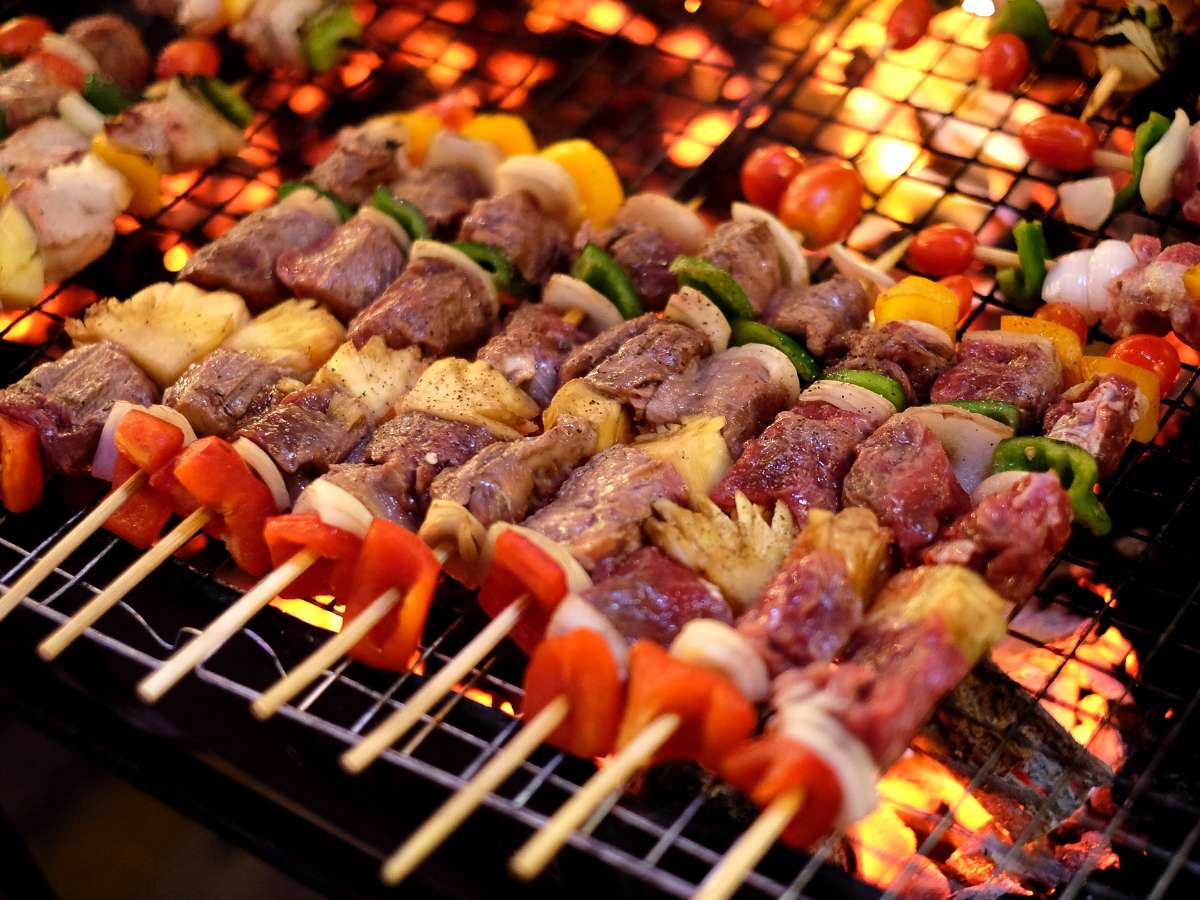
Trying to recreate something perfectly often leads to disappointment. Low and slow works best when it adapts to local conditions, habits, and rhythms.
What low and slow really signals
They are signalling an attitude.
They are saying:
In Australian BBQ, that attitude matters more than any single technique.
Low and slow is not a badge and not a guarantee. It is a commitment to cooking with patience, attention, and respect for the process.
When it works, it does not announce itself.
It simply tastes right.