


Why Nobody Ever Rushes a Barbecue
Not dramatically. Not obviously. But in small, consistent ways that add up to an entirely different rhythm than the one that governed the morning.
Glenn Dumbrell has been a butcher for over forty years. He has watched countless customers collect meat on Friday afternoons, already planning their weekend barbecues. They arrive with lists and schedules. They mention start times. They calculate portions with precision.
Then Saturday arrives. The barbecue gets lit. And every single plan loosens.
The moment expectations change
Conversations that would feel awkward standing in a kitchen flow naturally beside a grill. Silences that would demand filling in a restaurant sit comfortably outdoors. People who would never dream of arriving two hours early to a dinner party wander over mid-afternoon with a six-pack and stay until dark.
Nobody apologises for this. Nobody checks their watch with concern. The barbecue has given everyone permission to simply be there, without agenda or endpoint.
Research by Roy Morgan found that 63% of Australians host or attend a barbecue at least once a month – a pattern that reflects how deeply the practice is woven into weekly routines rather than saved for special occasions.
Heat sets a different rhythm
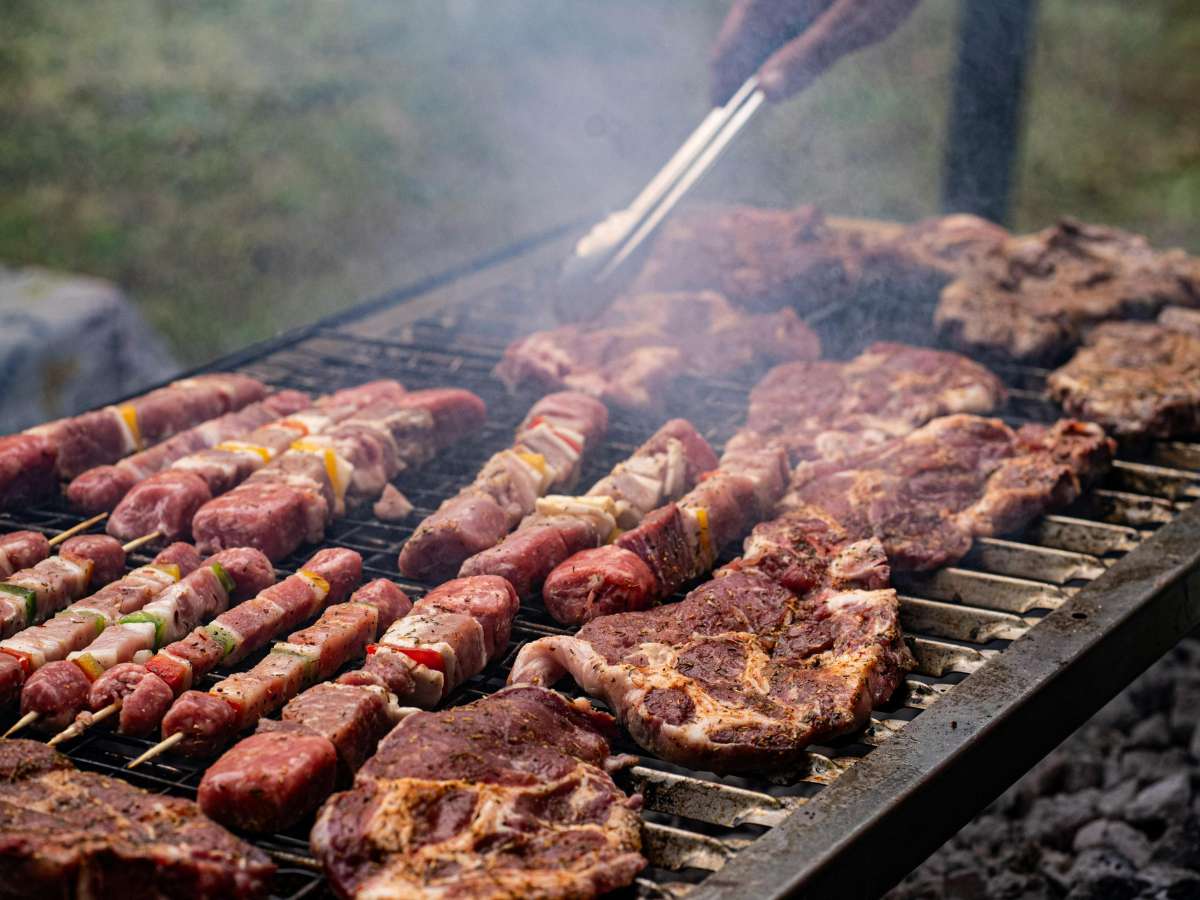
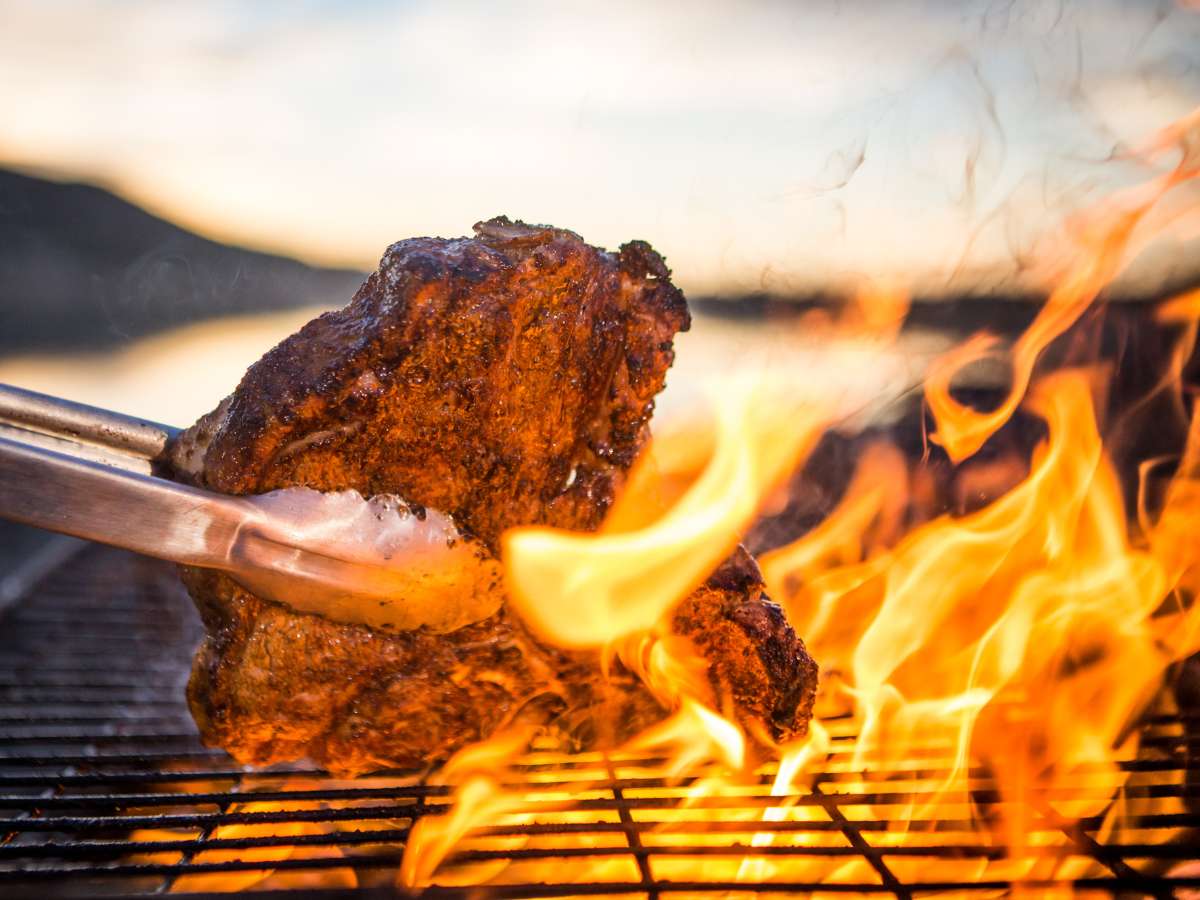
Charcoal takes twenty minutes to reach cooking temperature. Gas flames need adjustment. Wind affects heat distribution. Meat thickness varies. One side of the grill runs hotter than the other.
Even with modern equipment and decades of experience, outdoor cooking refuses to become as predictable as a stovetop. Someone who has worked with meat professionally knows this intimately. The same cut will behave differently depending on temperature, humidity, even which part of the animal it came from.
These small uncertainties create natural pauses. You check. You wait. You adjust. You check again. Time fills with small actions that do not feel like waiting because there is always something to notice or tend.
The barbecue sets the pace. Everyone else falls into step.
What happens when timing stops mattering
At a barbecue, these questions dissolve. Readiness becomes approximate. “Soon” suffices as an answer. Delay gets absorbed into the afternoon rather than treated as a problem.
How barbecues treat time differently:
| Everyday meals | Barbecues |
|---|---|
| Precise start times | Flexible beginnings |
| Readiness expected | Readiness approximate |
| Delays feel disruptive | Delays feel normal |
| Attention task-focused | Attention shared and loose |
| Departure times planned | Departure happens organically |
The Australian context
The climate helps. Australia’s weather permits outdoor cooking nearly year-round in most regions. Over eighty percent of national parks provide public barbecue facilities, many of them free. Beaches from Bondi to Cottesloe feature solar-powered electric grills within walking distance of the water.
This infrastructure reflects cultural priority. We have built a country where impromptu outdoor cooking requires almost no planning. Where the barrier between deciding to have a barbecue and actually having one sits remarkably low.
A butcher serving customers for decades watches this pattern repeat weekly. Friday afternoon, people collect lamb chops or sausages. Saturday, groups gather. Sunday, someone might mention how they meant to leave earlier but the afternoon just kept extending itself.
Nobody sounds regretful when they say this.
Standing around without purpose
At a barbecue, simply being there counts as participation. Standing beside the grill without speaking feels natural. Watching meat cook qualifies as activity. Holding a beer and occasionally nodding represents sufficient engagement.
This removes a particular social pressure that shapes most gatherings. The pressure to justify your presence through constant input.
People often describe barbecues as relaxed. But the mechanism beneath that relaxation deserves attention. These gatherings succeed partly by removing the need to prove you are having a good time. You are there. That suffices.
The rituals everyone recognises
Barbecue rituals Australians recognise without instruction:
None of them rush. Not the novice with their first piece of brisket. Not the experienced cook managing multiple cuts. The barbecue does not permit it.
Why food feels secondary
But if you asked someone what they remember about a particular barbecue, food rarely leads the answer. They remember who was there. What got discussed. How the afternoon felt. The food provides the reason to gather and remain, but it does not dominate memory.
This differs sharply from restaurant meals or dinner parties, where food quality often defines the entire experience. At a barbecue, mediocre sausages served in good company outrank perfect steaks eaten quickly.
A butcher learns to read which customers understand this distinction. It shows in what they prioritise. The ones who ask questions about feeding a group rather than impressing them. The ones who buy variety rather than premium cuts exclusively. The ones who seem more interested in having enough than having the best.
When afternoon becomes evening
“We should probably head off” gets said at least three times before anyone actually leaves. Because saying it and doing it require different levels of conviction. The first mention serves as acknowledgement that time exists. The second confirms everyone heard. The third actually initiates movement.
Even then, departure takes twenty minutes. Because ending a barbecue involves reversing the entire subtle process that made time elastic in the first place. You have to reconstruct urgency. Remember deadlines. Reconnect with tomorrow’s schedule.
Nobody performs this transition gracefully. We all leave barbecues slightly disoriented, carrying containers of leftover food and wondering how four hours passed without feeling like four hours.
What the professionals notice
The best barbecues rarely feature the most expensive cuts. They balance variety, keep portions reasonable, and leave room for people to graze rather than filling plates once.
The most relaxed hosts are usually the ones who stopped trying to control timing. They put food on when it seems right. They serve things as they finish. They accept that coordination will be approximate.
The gatherings people remember involve good company and decent food, in that order. Never the reverse.
These observations do not come from theory. They accumulate through watching the same patterns repeat across thousands of customers and decades of weekends. Through learning which cuts people return to buy again. Which techniques they report worked. What makes them describe a barbecue as successful.
And consistently, the successful ones are never rushed.
The deeper pattern
We live in a culture that measures nearly everything. Productivity. Efficiency. Progress. Even leisure often gets optimised. We pack experiences into available time. We judge outings by how much we accomplished.
A barbecue explicitly rejects this framework. It creates space where nothing needs accomplishing beyond being present. Where time extends to fill whatever the afternoon requires. Where the primary achievement is simply staying.
This is not laziness or indifference. It is a different value system temporarily overriding the default one. And everyone who attends implicitly agrees to this substitution.
No wonder nobody rushes. The entire point is to stop rushing. To let heat and smoke and conversation set their own pace. To trust that eventually food will be ready and people will eat and the day will end, but none of these things need forcing.
The practical magic
But perhaps that unpredictability is not a flaw to overcome. Perhaps it is the mechanism itself. The thing that transforms a simple meal into an afternoon. The reason Australians fire up barbecues more than twice a million times per month, despite having perfectly functional kitchens indoors.
Someone who has spent four decades helping people choose meat for these gatherings would probably tell you this. That the best barbecues are not the most controlled ones. They are the ones where the cook stopped fighting the rhythm and let the afternoon find its own shape.
Where nobody rushed. Where nobody needed to. Where time stretched out like smoke in still air, moving slowly but covering everything.
That is when barbecue becomes what it actually is. Not just cooking outdoors. But a small rebellion against hurry. A weekly reminder that some things improve by refusing to be rushed.
And every meal becomes an opportunity to remember this.